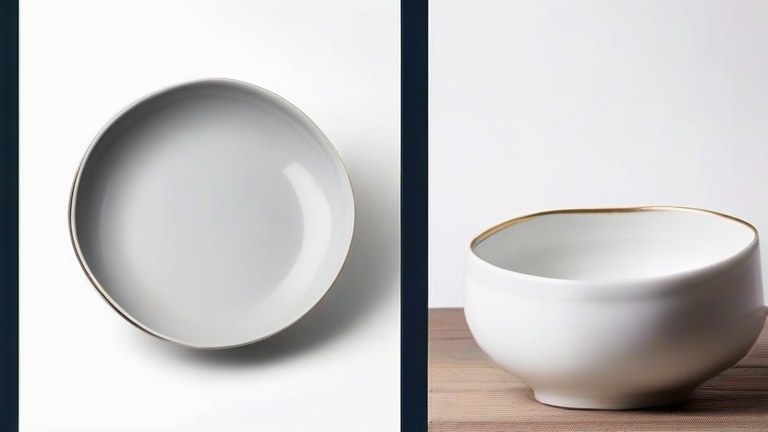
Healthy Living: Safe Porcelain Home Decor for a Clean Home
TL;DR: Choose lead-free, food-grade porcelain decor to eliminate toxic heavy metal leaching risks in your living space. Ensure pieces are certified by independent testing labs to guarantee a safe, clean home environment for your family.
The Science of Porcelain Safety
Home decor is more than just aesthetics; it is a direct contributor to indoor air quality and physical health. Porcelain, a ceramic material fired at high temperatures, is inherently non-porous and chemically stable. Unlike lower-quality ceramics, high-fired porcelain does not require porous glazes to hold pigments, which significantly reduces the risk of microplastic migration or heavy metal leaching. According to toxicological studies, the primary concern with decorative ceramics is the presence of lead and cadmium in glazes, which can migrate into food or dust. By selecting porcelain that is explicitly labeled as “lead-free” and “cadmium-free,” you mitigate these risks. The science suggests that the firing temperature, typically exceeding 1,200°C, vitrifies the clay body, creating a surface that is resistant to bacterial growth. This makes porcelain an ideal choice for wellness-focused interiors because it does not harbor mold or mildew, common allergens that thrive in porous materials like unglazed clay or wood.
If you want to dig deeper, check out our guide on Timeless Porcelain Home Decor: Elevate Your Space.
Practical Lifestyle Tips for a Healthy Home
Incorporating safe porcelain decor into your lifestyle requires mindful sourcing and maintenance. First, always look for third-party certifications from reputable organizations that test for heavy metals. Avoid purchasing unbranded decor from unregulated sources, as these items are more likely to contain hazardous additives. When cleaning porcelain pieces, use mild, pH-neutral cleaners rather than harsh abrasives. Abrasive cleaning can scratch the glaze, potentially exposing the underlying clay to moisture and contaminants. Furthermore, consider the placement of your decor. Keep porcelain vases and ornaments away from direct heat sources or extreme humidity fluctuations, which can cause thermal shock and micro-cracking. Cracks in the glaze can become reservoirs for dust and bacteria, undermining the health benefits of the material. Regularly dusting with a dry microfiber cloth prevents the accumulation of particulate matter, ensuring that your decor remains a positive element in your home’s ecosystem.
Enhancing Well-Being Through Design
Safe home decor supports mental wellness by reducing cognitive load associated with health concerns. Knowing that your environment is free from toxic leachates allows for deeper relaxation and better sleep. Porcelain’s smooth, reflective surfaces can enhance natural light in a room, which is linked to improved circadian rhythms and mood regulation. By choosing high-quality porcelain, you are making a long-term investment in your household’s health. It is a durable material that withstands time, reducing the need for frequent replacement and the associated waste. This sustainable aspect aligns with the broader principles of healthy living, where environmental stewardship and personal health are inextricably linked. Embracing safe materials fosters a sense of control and safety within your personal sanctuary, promoting overall well-being.
FAQ
Q: Is all porcelain safe for home use?
A: No, only porcelain that is certified as lead-free and cadmium-free by independent testing labs is guaranteed safe for general home decor use.
Q: How can I clean porcelain decor without damaging it?
A: Use a soft, damp microfiber cloth with mild soap; avoid abrasive scrubs or harsh chemical cleaners that can degrade the protective glaze.
Q: Does porcelain help reduce indoor allergies?
A: Yes, because porcelain is non-porous and does not absorb moisture, it does not support the growth of mold or mildew, which are common allergen triggers.
Leave a Reply