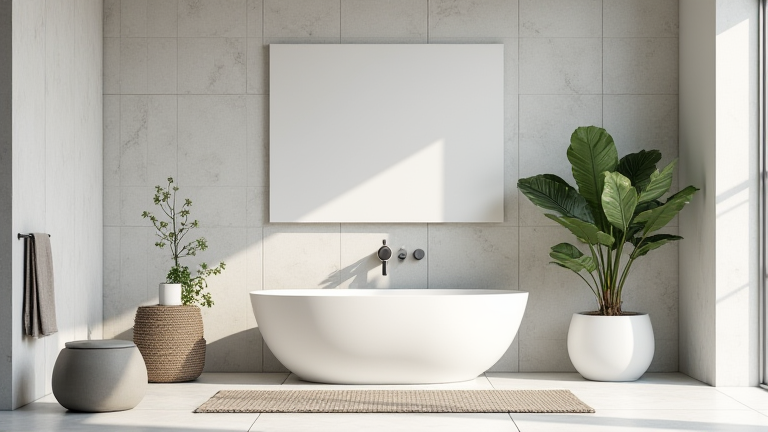
Healthy Home: Why Porcelain Decor is Safer
TL;DR: Porcelain is a non-porous, inert material that does not leach harmful chemicals or harbor mold, making it inherently safer for indoor air quality. Choosing porcelain decor minimizes exposure to volatile organic compounds (VOCs) and bacteria, promoting a cleaner and healthier living environment.
The Science of Surface Safety
When curating a healthy home, the materials you choose for decoration play a critical role in your overall well-being. Many common decorative items, such as wood, fabric, or certain plastics, can off-gas volatile organic compounds (VOCs) or absorb moisture, creating breeding grounds for mold and dust mites. Porcelain, however, is fired at extremely high temperatures, resulting in a vitreous, non-porous surface. This scientific property means that porcelain does not absorb water, oils, or bacteria. Unlike porous materials, it cannot trap allergens or support microbial growth, which is particularly beneficial for individuals with asthma or allergies. Furthermore, high-quality porcelain is chemically stable and inert. It does not react with cleaning agents or air pollutants, ensuring that the air in your living space remains free from unnecessary chemical emissions. This stability makes it an ideal choice for a toxic-free home environment.
If you want to dig deeper, check out our guide on Timeless Porcelain Decor: Elevate Your Home’s Chic Lifestyle.
Lifestyle Tips for a Cleaner Living Space
Incorporating porcelain into your home goes beyond aesthetics; it is a proactive health decision. Start by replacing porous ceramic or clay items with fine porcelain for tableware and decorative accents. Because porcelain is smooth and non-porous, it is incredibly easy to sanitize. You can safely use disinfectant sprays or boiling water for certain pieces, a level of hygiene maintenance that is difficult to achieve with textured materials. Consider using porcelain vases for fresh flowers. Unlike unglazed clay, porcelain vases do not retain moisture in the walls, preventing the buildup of biofilm that can cause unpleasant odors and bacterial growth. Additionally, porcelain is durable and resistant to chipping, reducing the risk of sharp edges that could pose safety hazards, especially in households with children or pets. By prioritizing smooth, hard-surface decor, you reduce the amount of dust accumulation in your home. Regular dusting of porcelain surfaces is more effective than deep cleaning porous materials, saving time and effort while maintaining a sterile environment. Embracing porcelain decor is a simple yet powerful way to enhance your home’s hygiene, reduce allergen exposure, and support a cleaner, safer lifestyle for your entire family.
FAQ
Q: Is porcelain safe for food contact?
A: Yes, high-quality porcelain is non-porous and chemically inert, making it one of the safest materials for plates, bowls, and mugs as it does not leach toxins or harbor bacteria.
Q: Can porcelain be used in humid areas like bathrooms?
A: Absolutely, porcelain is moisture-resistant and does not swell or warp when exposed to humidity, making it an excellent choice for bathroom decor and accessories without risk of mold growth.
Q: How do I clean porcelain decor to maintain its hygiene?
A: Simply wipe porcelain surfaces with a damp cloth and mild soap; for deeper sanitization, many pieces can be washed in the dishwasher or boiled if the manufacturer confirms heat resistance.
Leave a Reply