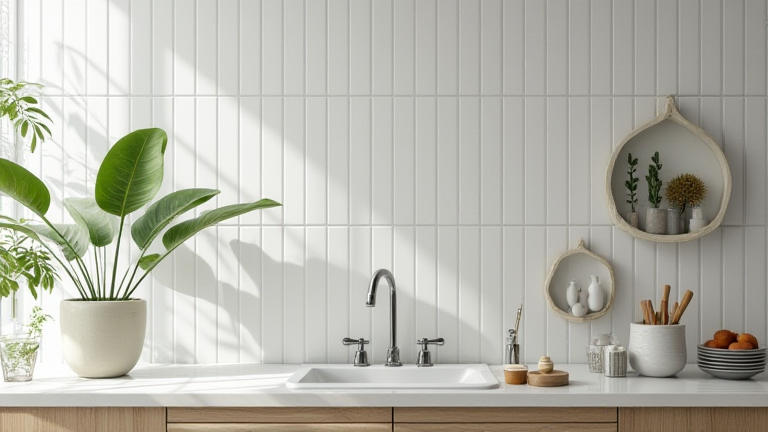
Healthy Home: Why Porcelain Decor Is Safe for Your Family
TL;DR: Porcelain decor is a safe choice for your family because it is non-porous, hypoallergenic, and free from volatile organic compounds (VOCs). Its smooth, glazed surface prevents the accumulation of dust mites and mold, promoting a cleaner indoor environment.
In the quest for a healthy home, many homeowners overlook the materials used in decorative items. While trendy trends often push for synthetic or treated wood products, porcelain offers a timeless and scientifically sound alternative. Porcelain is a dense ceramic material fired at extremely high temperatures, resulting in a product that is virtually inert. Unlike porous materials like unsealed wood or fabric, porcelain does not absorb liquids, oils, or airborne pollutants. This physical property is crucial for maintaining indoor air quality, as it eliminates hidden reservoirs for bacteria and allergens.
If you want to dig deeper, check out our guide on 7 Shopify Store Layout Ideas That Boost Conversion.
Scientific Benefits for Indoor Air Quality
Research into indoor environmental health consistently highlights the dangers of off-gassing. Many modern household items, including certain paints, plastics, and treated woods, release VOCs that can irritate the respiratory system. Porcelain, however, undergoes a vitrification process that locks in its chemical structure. Once cooled, it does not emit gases. This makes it an ideal material for families with asthma, allergies, or young children who are more sensitive to air quality fluctuations. Furthermore, because porcelain is non-porous, it resists the growth of mold and mildew, common issues in humid environments. This resistance is backed by mycological studies showing that smooth, glazed surfaces inhibit fungal colonization.
Lifestyle Tips for Maintaining Porcelain Decor
Integrating porcelain into your lifestyle is both easy and beneficial. To maximize its health benefits, maintain a routine cleaning schedule. Use a mild, pH-neutral soap and warm water to wipe down surfaces. Avoid abrasive scrubbers that might scratch the glaze, as minor scratches can eventually harbor grime. Place porcelain items in well-ventilated areas to ensure any accidental spills are quickly dried. Additionally, consider using porcelain in kitchens and bathrooms, where moisture levels are highest. Replacing porous wooden cutting boards or plastic containers with porcelain alternatives reduces the overall bacterial load in these critical zones.
By choosing porcelain, you are not just selecting an aesthetic; you are making a conscious health decision. It supports a cleaner, safer living space without compromising on elegance or durability. As you curate your home, prioritize materials that support well-being. Porcelain stands as a testament to how traditional craftsmanship meets modern health standards, providing peace of mind for every family member. Embrace this material for its longevity and its invisible, yet profound, contribution to your daily wellness.
FAQ
Q: Is porcelain safe for use with children and pets?
A: Yes, porcelain is non-toxic, non-porous, and free from harmful chemicals, making it safe for households with children and pets.
Q: Does porcelain require any special sealants to remain hygienic?
A: No, high-quality porcelain is naturally non-porous and does not require sealants; its glaze provides a permanent barrier against contaminants.
Q: Can porcelain decor help reduce allergens in the home?
A: Yes, by not trapping dust, dander, or mold, porcelain helps reduce common allergen carriers, supporting better respiratory health.
Leave a Reply