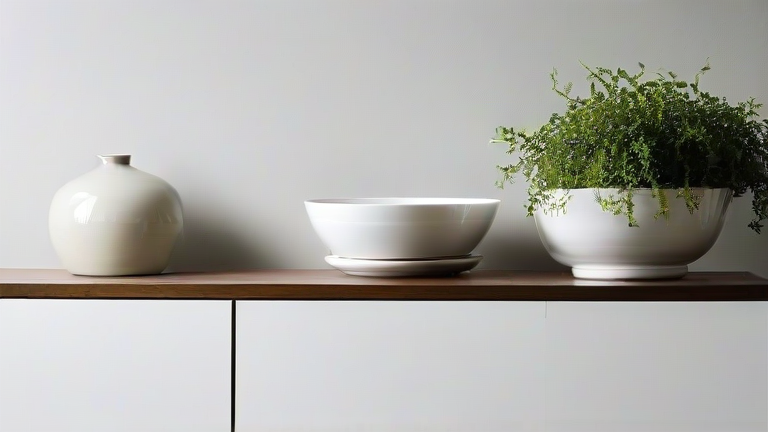
Healthy Home: 5 Safe Porcelain Decor Tips for Better Air Quality
TL;DR: Choose high-firing, lead-free porcelain pieces to eliminate toxic off-gassing and ensure indoor safety. Regularly dust and clean your ceramic decor with mild, non-toxic solutions to prevent the accumulation of airborne dust mites and allergens.
The Hidden Risks of Low-Quality Ceramics
Many homeowners overlook the potential health hazards posed by low-quality decorative items. Cheap porcelain or ceramic pieces often contain lead, cadmium, and other heavy metals used in glazes. When these items are subjected to heat or physical wear, these toxins can leach out, contributing to indoor air pollution. Breathing in these microscopic particles over time can lead to respiratory irritation and long-term health issues. To create a truly healthy home, it is essential to scrutinize the source and composition of your porcelain decor. Selecting high-quality, food-grade or certified safe porcelain ensures that your aesthetic choices do not come at the cost of your well-being. By prioritizing safety, you create a sanctuary that supports clear breathing and overall vitality.
If you want to dig deeper, check out our guide on 10 Elegant Porcelain Home Decor Ideas to Elevate Your Space.
Tip 1: Prioritize High-Firing Glazes
Invest in porcelain items that have been fired at high temperatures. High-firing processes lock in the glaze more effectively, preventing the release of volatile organic compounds (VOCs) and heavy metals into your living space. Look for products labeled as “lead-free” and “cadmium-free.” Reputable manufacturers often provide safety certifications, such as compliance with FDA or Prop 65 standards. These certifications guarantee that the glaze is stable and safe for indoor environments. Avoid antique pieces or mass-produced imports that lack clear labeling, as their glaze composition is often unknown. Making this conscious choice is the first step toward purifying your home’s air quality.
Tip 2: Minimize Surface Area for Dust
Porcelain decor, such as intricate vases or textured sculptures, can trap dust and allergens in their crevices. To minimize this, choose smooth, minimalist designs that are easy to clean. If you prefer detailed pieces, ensure you have a microfiber cloth specifically designed for delicate surfaces. Regularly wiping down your porcelain items prevents the buildup of dust mites, which thrive in stagnant, dusty environments. Dust mites are a common trigger for allergies and asthma. By keeping your decor clean, you reduce the biological load in your home. This simple habit contributes significantly to better respiratory health for all occupants.
Tip 3: Avoid Direct Heat Sources
Place your porcelain decor away from radiators, fireplaces, and direct sunlight. Excessive heat can cause older or lower-quality ceramics to degrade, potentially releasing trapped chemicals or causing the glaze to crack. Cracked glaze exposes the porous clay body, which can absorb and later release odors from the environment. Positioning your decor in cool, stable areas preserves its integrity and prevents the emission of unwanted particles. This placement strategy also helps maintain the aesthetic longevity of your pieces, ensuring they remain a joy rather than a source of concern for years to come.
Tip 4: Use Natural Cleaning Agents
When cleaning your porcelain, avoid harsh chemical cleaners that emit strong fumes. These chemicals can react with the surface of the ceramic or linger in the air, creating a toxic cocktail. Instead, use a solution of water and mild dish soap or vinegar. These natural agents are effective at removing dirt without introducing harmful VOCs into your home. After cleaning, dry the pieces thoroughly with a soft cloth to prevent water spots and mold growth. Mold spores are a significant air quality issue, and keeping your decor dry is a proactive measure against their proliferation.
Tip 5: Rotate and Replace Damaged Items
Periodically inspect your porcelain collection for chips or cracks. Damaged pieces can harbor bacteria and dust in their fractures, becoming breeding grounds for allergens. If a piece is heavily damaged, consider replacing it with a new, safe item. Rotating your decor seasonally also helps keep the pieces fresh and prevents prolonged dust accumulation. This practice ensures that your living space remains
Leave a Reply