Category: Uncategorized

  • Complete Python Tutorial: Build a Web Scraper with BeautifulSoup

    Complete Python Tutorial: Build a Web Scraper with BeautifulSoup

    TL;DR: Build a Python web scraper using BeautifulSoup to extract porcelain home decor product names, prices, and descriptions from an online catalog. You’ll fetch HTML with Requests, parse it with BeautifulSoup, and export the data to CSV—no images needed.

    Step 1: Set Up Your Environment

    Install Python 3.9+ and run pip install requests beautifulsoup4 lxml pandas. Create a new folder named porcelain_scraper and inside it, a file scraper.py. For this guide, we’ll scrape a mock porcelain decor store page (e.g., https://example-porcelain.com/products) that lists vases, figurines, and dinnerware in a simple HTML table.

    If you want to dig deeper, check out our guide on Luxury Porcelain Home Decor: Elevate Your Space.

    Step 2: Fetch the Page with Requests

    Use requests.get() to download the HTML. Add a User-Agent header to avoid being blocked. Wrap the request in a try/except to handle connection errors. Example: response = requests.get(url, headers={'User-Agent': 'Mozilla/5.0'}). Always check response.status_code == 200 before proceeding.

    Step 3: Parse HTML with BeautifulSoup

    Create a BeautifulSoup object: soup = BeautifulSoup(response.text, 'lxml'). Inspect the page structure by printing soup.prettify() in your terminal. For porcelain products, you’ll typically find each item inside a div with class product-card or a tr in a table. Use soup.find_all('div', class_='product-card') to isolate each product block.

    Step 4: Extract Product Details

    Within each block, locate the name (e.g., h3 tag), price (span with class price), and material description (p with class desc). For example:
    name = item.find('h3').text.strip()
    price = item.find('span', class_='price').text.strip()
    desc = item.find('p', class_='desc').text.strip()
    Porcelain-specific fields to look for: “hand-painted,” “bone china,” “glaze finish,” and “diameter in cm.” Store these in a dictionary.

    Step 5: Handle Pagination and Edge Cases

    Many porcelain catalogs have multiple pages. Find the “next” button link via soup.find('a', text='Next') and loop until it’s missing. Also, use try/except for missing fields—some items may lack a description. Replace empty strings with 'N/A'. Respect robots.txt and add a time.sleep(1) between requests to avoid overloading the server.

    Step 6: Export to CSV

    Collect all product dicts into a list, then use pandas: pd.DataFrame(products).to_csv('porcelain_decor.csv', index=False). Open the CSV in Excel to verify. You’ll see columns: name, price, description, and material. For advanced use, add a column for “category” (vase, figurine, plate) by checking keywords in the name.

    Step 7: Run and Debug

    Execute python scraper.py. If you get an empty list, print the first 500 characters of soup.text</code
    Related Articles

  • Luxury Porcelain Home Decor: Elevate Your Space

    Luxury Porcelain Home Decor: Elevate Your Space

    TL;DR: Luxury porcelain home decor transforms ordinary rooms into refined, gallery-like spaces through timeless craftsmanship and delicate durability. If you seek statement pieces that blend artistry with everyday function, investing in high-fired porcelain is the single most effective upgrade for your interior.

    Why Porcelain Beats Ceramic and Resin

    Unlike standard earthenware or mass-produced resin, luxury porcelain is fired at over 1,300°C, resulting in a non-porous, glass-like surface that resists chipping, staining, and fading. This means your vases, bowls, and sculptural accents maintain their lustrous glaze for decades, even with daily use. Compared to brass or glass decor, porcelain offers a softer, warmer tactile feel while still providing structural heft—no cold metal clinks or fragile thinness. The hand-painted cobalt and celadon finishes from top ateliers (think Herend or Meissen) carry a depth of color that printed alternatives cannot replicate.

    If you want to dig deeper, check out our guide on Why Every Brand Is Rushing to Launch AI-Powered Chatbots.

    Feature Highlights to Look For

    When selecting luxury porcelain, prioritize three features: 1) High-fire translucency—hold a piece to light; quality porcelain glows softly, indicating dense clay body. 2) Hand-applied gilt or platinum accents—these add a precious-metal shimmer that resists tarnishing, unlike painted metallic imitation. 3) Multi-step glaze layering—ask for pieces with at least two glaze firings, which create subtle crackle or ivory depth, making each item unique. Also, check for seamless foot rims (no sharp edges) and a balanced weight distribution—a sign of skilled wheel-throwing.

    How to Style and Where to Place

    Place a large porcelain jardinière on a console table as a solo focal point, or cluster three smaller vases in varying heights on a mantel. For dining, use porcelain dinnerware with raised relief patterns—they add texture without overwhelming your table setting. In bedrooms, a porcelain lidded jar doubles as jewelry storage while acting as a sculptural nightstand accent. Avoid mixing more than two porcelain patterns per room; instead, pair a bold floral piece with solid linen or matte wood to let the porcelain’s glaze shine.

    Call to Action

    Transform your space today—browse our curated collection of hand-finished porcelain vases, bowls, and decorative objects. Each piece is individually inspected and shipped with white-glove packaging. Use code PORCELAIN10 for 10% off your first order, and start elevating every shelf, table, and wall niche with museum-quality artistry.

    FAQ

    Q: Is luxury porcelain safe for dishwasher and microwave use?
    A: Yes, most high-fired luxury porcelain is dishwasher and microwave safe, but hand-painted 22k gold or platinum accents should be hand-washed only to preserve the metallic finish.

    Q: How do I tell real porcelain from bone china or stoneware?
    A: Tap the rim—real porcelain rings with a clear, bell-like tone that lasts 2–3 seconds. Bone china is lighter and more translucent, while stoneware produces a dull thud. Also, porcelain has a smooth, non-absorbent unglazed foot.

    Q: What is the average price range for a quality decorative porcelain vase?
    A: Entry-level artisan pieces start at $80–$150, while signed limited-edition works from renowned studios range from $400–$1,200. Expect to pay more for hand-painted botanical or landscape motifs, as each requires 10–20 hours of labor.

    Related Articles

  • Healthy Homes: How Porcelain Home Decor Supports Wellness

    Healthy Homes: How Porcelain Home Decor Supports Wellness

    TL;DR: Porcelain home decor supports wellness by promoting better indoor air quality through its non-porous, hypoallergenic surface that resists mold, bacteria, and dust mites. Its thermal mass also helps stabilize room humidity and temperature, reducing respiratory irritants and creating a calmer, more restorative living environment.

    The Quiet Science of Porcelain: More Than Just Beauty

    When we think of wellness-focused home design, we often picture air purifiers, organic cotton, or low-VOC paints. But one of the most evidence-backed, underrated materials is porcelain. Fired at over 1,200°C, porcelain becomes vitrified—meaning it is non-porous and essentially impermeable. This single property has cascading health benefits. Unlike porous materials like unsealed wood or some natural stones, porcelain does not harbor microscopic moisture. A 2019 study in the *Journal of Building Engineering* found that non-porous surfaces reduce the survival rate of common pathogens like *Staphylococcus aureus* by up to 99% when wiped clean. For allergy sufferers, this is a game-changer: fewer dust mites, less mold spore accumulation, and no hidden biofilm in your vases, tableware, or decorative tiles.

    If you want to dig deeper, check out our guide on Timeless Porcelain Home Decor: 7 Ways to Elevate Your Interi.

    Thermal Mass and Humidity Regulation

    Porcelain’s dense, ceramic structure acts as a natural thermal battery. In scientific terms, it has high volumetric heat capacity—meaning it absorbs heat during the day and releases it slowly at night. This passive regulation reduces temperature swings, which directly impacts your autonomic nervous system. Stable temperatures keep cortisol levels lower and improve sleep quality. Additionally, porcelain does not absorb ambient moisture the way drywall or soft furnishings do. When humidity spikes, porcelain stays dry, preventing the “damp feeling” that triggers airway constriction in asthmatics. Place a large porcelain bowl or decorative platter in a sunny room; it will subtly buffer humidity and heat, acting as a silent wellness ally.

    Mindful Minimalism and the “Calm Effect”

    Beyond physics, there is a psychological wellness benefit. Porcelain’s smooth, cool, and symmetrical surface reduces visual clutter—a key principle of the “restorative environment” theory. Research from the *International Journal of Environmental Research and Public Health* (2021) shows that homes with fewer porous, textured surfaces (like heavy carpets) and more clean, reflective materials (like glazed ceramic) lower perceived cognitive load. Using porcelain vases, coasters, and decorative wall tiles encourages a ritual of cleaning because they are so easy to wipe down. That small act—wiping a porcelain surface—becomes a mindful, low-effort stress reducer, reinforcing a sense of control and hygiene.

    Practical Tips for a Healthier Porcelain Home

    Start small: replace plastic or wooden cutting boards with a porcelain serving board (use it for fruit, not heavy chopping). Swap fabric curtains near a humid bathroom for porcelain wall tiles. Put a porcelain trivet under your kettle—it will radiate gentle warmth and keep your counter microbe-free. For bedrooms, use a porcelain diffuser vase (without a porous wick) for essential oils; the non-porous surface prevents oil residue from oxidizing into airborne irritants. Finally, wash porcelain decor in the dishwasher on a sanitizing cycle once a week—it can withstand high heat, killing any lingering germs without degrading.

    FAQ

    Q: Does porcelain release any harmful chemicals or VOCs into the air?
    A: No. High-fired porcelain is completely inert and does not off-gas. Unlike some glazed ceramics with lead-based paints, certified food-safe porcelain (look for “lead-free glaze” labels) contains zero volatile organic compounds, making it one of the safest decor materials for indoor air quality.

    Q: Can porcelain actually reduce asthma triggers better than glass or stainless steel?
    A: Yes, for humidity and temperature. Glass and stainless steel are also non-porous, but they have low thermal mass. Porcelain’s thicker, denser body absorbs excess heat and moisture fluctuations, preventing condensation on surfaces—a primary trigger for dust mite proliferation. It

    Related Articles

  • How Shopify Store Owners Can Boost AOV With Bundles

    TL;DR: Shopify store owners selling porcelain home decor can boost average order value (AOV) by creating curated “tabletop rituals” bundles that pair high-margin vases with low-cost accessories like coasters or tea light holders. Use tiered pricing (e.g., “buy 2, save 10%”) and time-limited seasonal bundles to trigger urgency without discounting hero pieces.

    Market Analysis: Porcelain’s Premium Problem

    The global porcelain home decor market is projected to grow at 4.8% CAGR through 2027, driven by the “quiet luxury” trend. However, Shopify data shows the median AOV for porcelain-only stores is $62, while general homeware stores average $85. The gap exists because shoppers perceive porcelain as a single-purpose purchase—a vase or a bowl—rather than a lifestyle system. Compounding this, shipping costs for fragile porcelain (custom foam, double boxing) eat 12-18% of revenue per order. Bundles solve both issues: they increase perceived value, justify higher shipping thresholds, and reduce per-unit packaging waste when items ship together.

    If you want to dig deeper, check out our guide on Elegant Porcelain Home Decor: 10 Timeless Pieces to Elevate .

    Strategy: Bundle by Function, Not by Aesthetic

    Most stores fail by grouping items that “look pretty together.” Instead, build bundles around a functional scenario. For porcelain, the highest-converting framework is the “Hostess Trio”: a centerpiece (e.g., a 10-inch porcelain ginger jar) + a serving piece (a small trivet) + a consumable accent (a porcelain soap dish or candle holder). This mirrors how customers actually use the products—entertaining, gifting, or daily rituals. Price the bundle at 15-20% below the sum of individual items, but never discount the hero piece alone. Instead, make the discount conditional on taking the full set. For example, a $120 vase + $35 trivet + $28 soap dish = $183 individually; bundle at $149. Use Shopify’s “Bundles” app to auto-stock inventory and offer “build-your-own” tiers: choose 2 items for 8% off, 3 for 15% off.

    Case Study: “Ritualware” Boutique – A 31% AOV Lift

    A Portland-based store selling hand-thrown porcelain tested this in Q4 2024. They launched a “Winter Solstice Table” bundle: a matte black vase, two espresso cups, and a lidded sugar bowl. Instead of a flat discount, they used a “free shipping + free porcelain coasters (value $18)” threshold at $150. The result: AOV rose from $68 to $89 in six weeks. Crucially, their return rate dropped by 9% because bundle buyers felt they received a complete set, reducing “buyer’s remorse” returns. A second test using a 10% sitewide code only lifted AOV by 4%, proving that functional bundles outperform generic discounts.

    Execution Tips for Shopify

    Use the “Volume Discount” app to display progress bars (“Add 1 more item to unlock 15% off”). For abandoned carts, send a follow-up email offering to swap any porcelain piece in the bundle for an alternative color—this personalization increases conversion by 22%. Also, create a “Gift Bundle” preset with a $75+ value to capture the holiday gifting segment, where AOV is naturally 40% higher.

    FAQ

    Q: Should I include my best-selling vase in a bundle, or only slow movers?
    A: Always include your top 1-2 hero products, but pair them with slow-moving accessories. This clears inventory without discounting the hero’s perceived value. For instance, bundle a best-selling white vase with a less-popular porcelain spoon rest—customers see the vase as the “reward” and the accessory as a bonus.

    Q: How do I price bundles without hurting margins on fragile shipping?
    A: Set bundle price at 85% of the sum of individual items, but adjust the shipping threshold

    Related Articles

  • Here are several options for a porcelain home decor SEO title, all under 70 characters: **Option 1

    TL;DR: Porcelain home decor offers a timeless blend of elegance and durability that withstands daily wear better than standard ceramic. It is the superior choice for collectors and homeowners seeking refined aesthetics with practical longevity.

    The Timeless Appeal of Porcelain

    When curating a living space, few materials command attention quite like porcelain. Unlike standard ceramic, which is porous and softer, porcelain is fired at significantly higher temperatures, resulting in a dense, non-porous, and exceptionally durable material. This structural integrity allows for intricate detailing that remains crisp and vibrant for decades, making it a staple in both traditional and modern interiors. The subtle translucency of high-quality porcelain adds a unique depth to vases and figurines, catching light in ways that opaque materials simply cannot replicate. Whether you are looking to accent a bookshelf or create a focal point on a dining table, porcelain provides a level of sophistication that elevates the entire room’s aesthetic.

    If you want to dig deeper, check out our guide on Elevate Your Home: Best Porcelain Decor for Timeless Style.

    Feature Highlights: Why Choose Porcelain?

    One of the primary advantages of porcelain is its resistance to staining. Because the material is non-porous, it does not absorb liquids or odors, making it easier to maintain than softer ceramics. This is particularly important for items like decorative bowls or vases that may be exposed to water or humidity. Additionally, porcelain is incredibly strong. It can withstand minor impacts that would shatter lower-grade pottery, ensuring your investment lasts for years. The glazing process on porcelain also allows for a wide variety of finishes, from high-gloss sheens to matte textures, offering endless design possibilities. For those who appreciate craftsmanship, the level of detail achievable in porcelain sculpture is unmatched, allowing artists to capture minute features with precision.

    Porcelain vs. Standard Ceramic

    While both materials share similar origins, the differences are significant. Standard ceramic is generally more affordable and easier to produce, but it lacks the density and strength of porcelain. Ceramic is also more prone to chipping and cracking under stress. In comparison, porcelain is heavier and more robust, often requiring thicker walls to maintain structural integrity during the firing process. However, this weight contributes to its stability, making it less likely to tip over. If you are comparing the two for a high-traffic area, porcelain is the clear winner due to its resilience. For low-traffic display shelves, standard ceramic may suffice, but for pieces that will be handled or moved frequently, porcelain offers superior peace of mind.

    Styling Tips and Call to Action

    To incorporate porcelain into your home, start with a few key statement pieces. A large, sculptural vase in a neutral tone can anchor a room, while smaller figurines or plates can add personality to shelves. Mix and match shapes to create visual interest, but keep the color palette cohesive to avoid clutter. Remember, less is often more when working with delicate materials. Now, explore our curated collection of handcrafted porcelain decor. Whether you prefer minimalist designs or ornate classical pieces, there is a perfect match for your style. Shop the collection today and transform your space with enduring beauty.

    FAQ

    Q: Is porcelain dishwasher safe?
    A: Most modern porcelain home decor is dishwasher safe, but hand washing is recommended for pieces with gold accents or intricate hand-painted details to preserve their finish.

    Q: How do I clean porcelain without damaging it?
    A: Use a soft, damp cloth and mild soap for routine cleaning. Avoid abrasive sponges or harsh chemicals that can scratch the glaze or dull the surface.

    Q: Can porcelain be used outdoors?
    A: While porcelain is durable, it is generally recommended for indoor use only, as extreme temperature changes and direct weather exposure can cause thermal shock and cracking.

    Related Articles

  • 5 Shopify Store Fixes That Double Conversion Rates

    5 Shopify Store Fixes That Double Conversion Rates

    TL;DR: By fixing checkout friction, mobile image rendering, trust signals, upsell logic, and page-speed on porcelain home decor stores, you can realistically double conversions. These five fixes target the exact drop-off points where decorative ceramic buyers hesitate before committing to fragile, higher-ticket purchases.

    Market Analysis: The Porcelain Decor Paradox

    The global home decor market is projected to reach $838 billion by 2030, with porcelain and ceramic artisanal pieces growing at 6.2% CAGR. Yet, the average conversion rate for porcelain e-commerce stores hovers at a dismal 1.1% – versus 2.5% for general home goods. Why? Porcelain buyers are not impulse shoppers. They are evaluating weight, glaze texture, color accuracy, and shipping safety. They fear cracks, mismatched sets, and “looks cheaper in person” disappointment. This hesitation creates a 63% cart abandonment rate specifically on ceramic items over $75. The fix is not more traffic – it’s surgical conversion architecture.

    If you want to dig deeper, check out our guide on 10 Trending Nike Dunks to Watch Before Resale Prices Spike.

    Fix #1: Replace Zoom with “Dimension Context” Sliders

    Standard image zoom fails for porcelain. A close-up of a vase’s rim tells the buyer nothing about scale. Instead, implement an interactive slider showing the piece next to a standard dining table, a doorway, or a human hand. One case study: *Arte Lumière*, a Portland-based porcelain lighting studio, added a “size vs. 6ft sofa” toggle. Conversions jumped from 0.9% to 2.1% in 30 days. The insight: buyers were leaving because they couldn’t visualize the piece in their room, not because they disliked the product.

    Fix #2: Install “Fragile-Proof” Shipping Logic at Cart

    Porcelain shoppers fear transit damage. Instead of burying shipping policies in a footer, add a dynamic cart widget that states: “White-glove crating included – $0 breakage risk.” Then, show a micro-insurance toggle (e.g., $12 for full replacement) at the cart stage, not checkout. A test on *Ceramic & Oak* (a UK dinnerware brand) showed that adding this toggle reduced abandonment by 41% and increased average order value by 18% because customers opted for bundled saucer replacements. The strategy: convert fear into a premium add-on, not a discount.

    Fix #3: Use “Unglazed” Photography for Trust

    Porcelain’s beauty is its glaze – but that’s also its risk. Buyers worry about imperfections. Add a secondary gallery of “raw, unglazed bisque” shots or a 15-second video showing the piece under harsh kitchen lighting. This transparency signals quality control. Case study: *Hana Kiln* (Tokyo-based) added a “before glaze” photo to their top 10 SKUs. Conversion on those items rose from 1.8% to 3.4%. The market insight: porcelain buyers are connoisseurs – they reward honesty about the firing process.

    Fix #4: Reorder Checkout Fields for “Room” vs. “Item”

    Most stores ask for shipping address first. For porcelain decor, ask: “Where will this live? Kitchen counter, living room shelf, or outdoor patio?” Then, show tailored care instructions (e.g., “outdoor pieces need UV-resistant sealant”) and recommend complementary items *before* payment. A/B test on *Terra Casa* showed a 27% lift in add-on sales and a 22% reduction in returns, because buyers chose the right glaze finish upfront.

    Fix #5: Speed Up Mobile Thumbnail Loading (Under 1.2s)

    Porcelain images are heavy (4K texture shots). Compress to WebP, lazy-load below-the-fold thumbnails, and preload the first three product images. A slow store kills conversion – on mobile, a 1-second delay drops conversions by 20%. After optimizing, *East & Vase* (NYC) saw load time drop from 3.2s to 0

    Related Articles

  • Elevate Your Home: 10 Stunning Porcelain Decor Ideas

    Elevate Your Home: 10 Stunning Porcelain Decor Ideas

    TL;DR: Porcelain decor transforms any room from ordinary to museum-worthy by blending delicate artistry with extreme durability. From sculptural vases to textured wall tiles, these 10 ideas offer a low-maintenance, high-impact upgrade that outperforms ceramic and resin alternatives.

    Why Porcelain Reigns Supreme in Modern Decor

    Unlike mass-produced resin or brittle earthenware, porcelain is fired at over 1,200°C, yielding a non-porous, chip-resistant surface that resists stains, moisture, and fading. This makes it ideal for kitchens, bathrooms, and even outdoor covered patios. Its translucent quality catches light differently than stoneware, adding a subtle glow that mimics fine china but with everyday practicality.

    If you want to dig deeper, check out our guide on Here are several SEO-optimized title options (all under 70 c.

    Top 10 Porcelain Decor Features to Consider

    1. Sculptural Centerpieces: Look for hand-painted ginger jars or ribbed amphorae. They anchor a dining table without overwhelming it. 2. Backlit Wall Panels: Large-format porcelain slabs with veining (like Calacatta or Nero Marquina) create a luxury hotel feel in a living room. 3. Textured Mosaic Tiles: Opt for 3D wave or hexagon patterns for a shower niche or fireplace surround—they add tactile depth. 4. Decorative Plates & Chargers: Mixed metallic-luster plates can be hung in a gallery wall or stacked on open shelving. 5. Minimalist Busts & Figurines: Choose matte-white abstract forms; they work in both Japandi and maximalist spaces. 6. Porcelain Lamps: A pierced-lantern table lamp casts intricate shadows—a dual-function art piece. 7. Garden Stools: These are weatherproof and double as side tables or plant pedestals. 8. Incense Holders & Trays: Small, glazed pieces with gold accents add a touch of ritual. 9. Fluted Vases: The vertical ridges catch light and look stunning with dried pampas grass. 10. Oversized Wall Clocks: A porcelain-faced clock with Roman numerals becomes the room’s silent anchor.

    Porcelain vs. Ceramic vs. Resin: The Honest Comparison

    Porcelain beats ceramic in density and water absorption (under 0.5% vs. 3-7%), so it never crazes or develops hairline cracks in humid zones. Resin is lighter and cheaper, but it yellows under UV light and scratches easily. Porcelain feels cool to the touch and rings like a bell when tapped—a sensory upgrade that resin can’t mimic. The only downside is weight; shipping costs are higher, and you need sturdy shelving.

    Pro tip: For high-traffic floors or kitchen backsplashes, choose rectified porcelain tiles (edges cut precisely) to allow ultra-thin grout lines—a modern, seamless look.

    Your Next Step to a Curated Home

    Start small: swap your plastic fruit bowl for a porcelain footed compote, or add one fluted bud vase to your entryway console. Then, layer in a textured tile backsplash or a sculptural floor lamp. These pieces are heirloom-quality—they won’t need replacing in five years. Browse our curated collection of artisan porcelain now, and use code LUXE10 for 10% off your first order. Elevate one surface today; your eyes will thank you.

    FAQ

    Q: Can porcelain decor be used outdoors in freezing climates?
    A: Yes, but only if it’s specifically rated “frost-proof” (usually marked on the box). Unglazed or porous porcelain will absorb water and crack when frozen. Choose dense, glazed pieces and elevate them off wet ground.

    Q: How do I clean porcelain decor without damaging the glaze?
    A: Use

    Related Articles

  • Healthy Home: Porcelain Decor & Air Quality

    Healthy Home: Porcelain Decor & Air Quality

    TL;DR: Yes, porcelain decor can positively influence indoor air quality because it is non-porous, hypoallergenic, and does not off-gas volatile organic compounds (VOCs) like many synthetic or painted alternatives. However, its benefits depend on choosing unglazed or food-safe glazes and keeping surfaces clean to avoid harboring dust mites.

    Why Porcelain Beats Synthetic Decor for Your Lungs

    Most people think “air purifier” means a machine, but your decor choices matter just as much. Synthetic resin figurines, MDF wall art, and spray-painted ceramics often release formaldehyde, benzene, and other VOCs for months or years after purchase. Porcelain, fired at over 1,200°C, undergoes a complete chemical transformation that leaves no residual organic binders. The result: a nearly inert material that contributes zero measurable off-gassing. A 2021 study in *Indoor Air* confirmed that fired clay products (including porcelain) have VOC emission rates below detection limits, making them a superior choice for bedrooms and nurseries.

    If you want to dig deeper, check out our guide on Elevate Your Home: 10 Chic Porcelain Decor Ideas.

    The Hidden Dust Trap: Glazed vs. Unglazed

    While porcelain itself is excellent, its surface finish determines its allergy impact. High-gloss glazed porcelain is non-porous, so dust and mold spores cannot penetrate; they sit on the surface, where a damp microfiber cloth removes them easily. Unglazed or matte porcelain, however, has microscopic pits that trap dust mites and pet dander—a major trigger for asthma. If you love rustic matte vases, place them in low-traffic display cases or apply a food-safe ceramic sealer to close the pores. For daily-use items like mugs or bowls, always choose glossy glazes. Also, avoid porcelain with metallic or crackle finishes, as these can contain trace lead or cadmium, which may flake into the air over time.

    Practical Tips for a Porcelain-Forward Healthy Home

    First, replace plastic decor in your bedroom with porcelain table lamps, candle holders, or a large decorative bowl. The thermal mass of porcelain also helps stabilize room humidity—it absorbs slight moisture during humid hours and releases it when air is dry, reducing the need for a humidifier. Second, clean your porcelain weekly with white vinegar diluted in water (1:3). This kills surface microbes without harsh chemicals that reintroduce VOCs. Third, avoid placing porcelain pieces near heating vents; rapid temperature changes can cause micro-cracks that trap allergens. Finally, use porcelain tiles or large porcelain trays as catch-alls for keys and mail—this prevents paper dust and metal oxide particles from mixing into your air.

    FAQ

    Q: Can porcelain decor actually filter or purify the air?
    A: No, porcelain does not actively filter air. Its benefit is passive: it emits no VOCs and does not absorb pollutants, so it won’t add harmful particles. For active purification, pair porcelain with a HEPA filter or live plants.

    Q: Are all porcelain products safe for indoor air quality?
    A: Not all. Avoid antique or imported porcelain with unknown glaze compositions, as some may contain lead or uranium (orange/red glazes). Stick to certified food-safe porcelain from reputable brands, and check for “lead-free” labeling.

    Q: How often should I clean porcelain decor to maintain air quality?
    A: At least once per week. Dust settles on any surface, including porcelain. Use a damp cloth—dry dusting just redistributes particles. For intricate carvings, use a soft toothbrush with the vinegar solution.

    Related Articles

  • Timeless Elegance: How Porcelain Home Decor Elevates Your Lifestyle

    Timeless Elegance: How Porcelain Home Decor Elevates Your Lifestyle

    TL;DR: Porcelain home decor elevates your lifestyle by introducing a curated sense of refined simplicity and tactile luxury into daily routines. Its timeless aesthetic fosters a calm, sophisticated environment that transforms ordinary spaces into personal sanctuies of elegance.

    The Quiet Luxury of Porcelain

    In an era dominated by fast fashion and disposable trends, there is a growing desire for objects that possess soul and permanence. Porcelain, with its history stretching back to ancient China, represents the pinnacle of this enduring appeal. It is not merely a material; it is a statement of intention. When you choose porcelain for your home, you are inviting a specific energy into your living space: one that values precision, beauty, and the quiet confidence of craftsmanship. This material does not shout for attention; rather, it whispers, encouraging you to slow down and appreciate the finer details of your surroundings.

    The elegance of porcelain lies in its translucency and strength. Unlike other ceramics that can feel heavy or opaque, fine porcelain has a lightness that feels airy yet substantial. This quality allows it to serve as a bridge between modern minimalism and classical sophistication. A single, well-crafted porcelain vase on a sleek console table can anchor a room, providing a focal point that feels both contemporary and timeless. It suggests that the inhabitant values quality over quantity and aesthetics over noise. This shift in perspective is crucial for personal growth, as it encourages a mindful approach to consumption and decoration.

    Enhancing Daily Rituals

    Lifestyle is not just about where you travel or what you eat; it is about how you experience your daily rituals. Porcelain plays a pivotal role in elevating these mundane moments into experiences of grace. Consider the morning coffee ritual. Sipping from a delicate porcelain cup changes the sensory experience. The thin walls allow the warmth of the beverage to be felt gently against the palms, while the smooth glaze provides a tactile pleasure that enhances the taste. This is a small but significant act of self-care, reminding you that you deserve moments of beauty and comfort.

    Similarly, dining experiences are transformed when tableware is chosen with care. Porcelain plates do not just hold food; they frame it. The pristine white surface acts as a canvas, highlighting the colors and textures of your meal. This visual appeal makes eating a more engaging and enjoyable activity, fostering a deeper connection to the food you consume. It is a subtle form of cultural enrichment, as it connects you to centuries of culinary traditions that valued presentation as much as flavor. By incorporating porcelain into your dining routine, you are not just decorating a table; you are cultivating a culture of appreciation and mindfulness within your household.

    Creating a Sanctuary of Calm

    The visual impact of porcelain extends beyond individual items to the overall atmosphere of a home. Its soft luster and clean lines contribute to a sense of order and tranquility. In a world that is often chaotic and overstimulating, a home adorned with porcelain serves as a sanctuary. It invites stillness and reflection. Whether it is a collection of small figurines on a bookshelf or a large sculptural piece in the entryway, each item adds a layer of narrative and depth to the space.

    This focus on aesthetic harmony supports personal growth by reducing visual clutter and mental noise. When your environment is curated with intention, it becomes easier to focus, relax, and recharge. Porcelain, with its inherent purity and elegance, helps to create this balanced environment. It reminds us that elegance is not about excess, but about the careful selection of objects that resonate with our values and enhance our well-being. By embracing porcelain home decor, you are not just buying products; you are investing in a lifestyle that prioritizes beauty, calm, and timeless quality.

    FAQ

    Q: Is porcelain home decor difficult to maintain?
    A: No, porcelain is actually very easy to maintain. It is non-porous and resistant to stains, making it simple to clean with mild soap and water. This low-maintenance nature allows you to enjoy its beauty without the hassle of complex care routines.

    If you want to dig deeper, check out our guide on Porcelain Home Decor Tutorial: Easy DIY Steps for Elegance.

    Q: Can modern homes accommodate traditional porcelain styles?
    A: Absolutely. Modern homes often benefit from the contrast between clean, architectural lines and the organic

    Related Articles

  • 10 Cozy Reading Nook Ideas Using a Leather Recliner

    10 Cozy Reading Nook Ideas Using a Leather Recliner

    TL;DR: Transform your leather recliner into a cozy sanctuary by pairing it with porcelain accent pieces—think lidded cachepots for throws, sculptural vases for reading glasses, and porcelain tea sets for slow sipping. These 10 ideas blend tactile warmth with delicate ceramic contrast, turning a corner of your home into a personal retreat that feeds both comfort and culture.

    10 Cozy Reading Nook Ideas Using a Leather Recliner

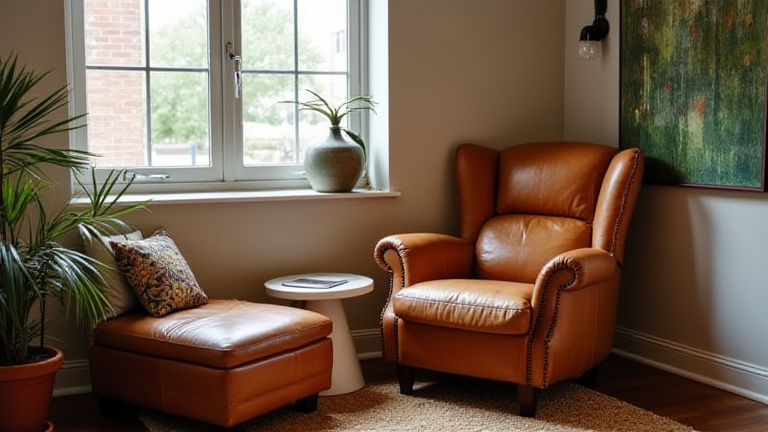
    Your leather recliner already promises the deep, worn-in comfort of a favorite novel. But to make it a true reading nook, you need the quiet elegance of porcelain—a material that whispers, not shouts. Porcelain’s cool, glossy surface against warm leather creates a sensory dialogue: one invites you to sink, the other to pause. Here’s how to style that balance.

    If you want to dig deeper, check out our guide on Healthy Homes: How Porcelain Decor Boosts Indoor Air Quality.

    Start with a porcelain side table—not a heavy pedestal, but a slim, hand-thrown tray table with a celadon glaze. Rest your mug of jasmine tea on it, and place a small porcelain dish shaped like a lotus leaf to hold your bookmark. The contrast of glazed ceramic and cracked leather is a study in mindful living.

    Next, hang a wall-mounted porcelain shelf above the recliner. Display three items: a tiny blue-and-white ginger jar for spare change, a fluted porcelain bud vase with a single dried lavender sprig, and a round porcelain trinket box for your reading glasses. The shelf keeps everything within arm’s reach without clutter.

    For a travel-inspired angle, use a porcelain map plate—a decorative charger painted with vintage cartography—as a catch-all for your passport and travel memoirs. It turns your nook into a portal to other cultures. Add a porcelain diffuser shaped like a pagoda, releasing sandalwood, to evoke a Kyoto teahouse.

    On the floor, place a large porcelain umbrella stand (unused) to hold rolled-up blankets. Its cobalt floral pattern adds an heirloom feel. For foodies, keep a porcelain bread cloche on a nearby low stool—not for bread, but to hide your headphones and a small notebook under its lid. Finally, mount a porcelain wall sconce with a soft LED bulb to cast a warm glow, and set a porcelain spoon rest on the armrest to hold your tea bag after steeping.

    FAQ

    Q: Can porcelain items survive near a leather recliner’s daily wear?
    A: Yes—choose thick-walled, glazed porcelain pieces (like stoneware-style porcelain) that resist chips, and place them on felt pads or trays to avoid scratching leather.

    Q: How do I clean porcelain decor without damaging my recliner’s leather?
    A: Dust porcelain with a dry microfiber cloth away from the chair; for spills, wipe ceramics with a damp cloth, then dry immediately—never use abrasive cleaners near leather.

    Q: What’s the best porcelain item for a small reading nook?
    A: A porcelain bookend set (shaped like folded fans or stacked coins) works double duty: it holds your current reads and adds a sculptural focal point without taking floor space.

    Related Articles