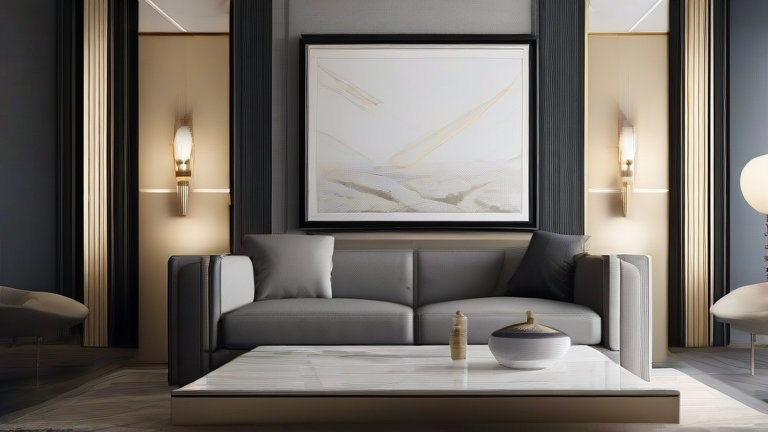
Elegant Porcelain Home Decor: 10 Tips to Elevate Your Style
TL;DR: Elevate your interior design by curating high-quality porcelain pieces that balance aesthetic appeal with durability, focusing on neutral tones and mixed textures. Strategic placement of these elegant items creates focal points that enhance both the visual hierarchy and perceived value of your living spaces.
The global home decor market is undergoing a significant shift towards sustainable, high-quality materials that offer timeless elegance. Porcelain, with its rich history and modern versatility, has emerged as a dominant force in this trend. According to recent market analysis, the demand for artisanal and handcrafted home goods has grown by 15% annually over the past three years. Consumers are increasingly moving away from mass-produced plastics and low-grade ceramics, opting instead for porcelain due to its superior durability, refined finish, and environmental profile. This shift presents a unique opportunity for retailers and interior designers to position porcelain not just as a material, but as a lifestyle choice that signifies sophistication and attention to detail. Understanding this consumer behavior is crucial for crafting a decor strategy that resonates with today’s discerning homeowner.
If you want to dig deeper, check out our guide on Why the Oversized Trench Coat Trend Is Here to Stay.
Strategic Insights for Modern Interiors
Successful integration of porcelain into home decor requires a strategic approach that balances form and function. First, prioritize neutral palettes. White, cream, and soft grey porcelain pieces serve as a versatile canvas, allowing them to blend seamlessly with various color schemes. This neutrality ensures longevity, preventing the decor from feeling dated as trends change. Second, mix textures to create visual interest. Pair smooth, glossy porcelain vases with rough-hewn wooden bowls or linen cushions. This contrast adds depth and tactile richness to the room. Third, consider scale. Large porcelain statement pieces, such as oversized vases or sculptural bowls, should be reserved for focal points like entryways or living room centers, while smaller items like candle holders or coasters can be used to add subtle accents throughout the space.
Fourth, use porcelain to define zones. A collection of matching porcelain plates on an open shelf can delineate a dining area, while a cluster of small porcelain figurines on a coffee table can anchor a conversation space. Fifth, leverage the translucency of fine porcelain. In well-lit areas, thin-walled porcelain lamps or decorative screens can diffuse light beautifully, creating a warm and inviting atmosphere. Sixth, incorporate vintage pieces. Mixing modern minimalist porcelain with antique finds adds character and tells a story, appealing to consumers who value heritage and authenticity. Seventh, maintain minimalism. Avoid overcrowding; porcelain works best when given breathing room. Let each piece stand out rather than creating a cluttered display. Eighth, consider functionality. Porcelain is not just for show; use it for daily items like mugs, plates, and bowls. High-quality daily-use porcelain reinforces the theme of elegance in everyday life. Ninth, customize with monograms or unique glazes. Personalized pieces add a layer of exclusivity and make the decor uniquely yours. Tenth, rotate your collection. Seasonal changes in porcelain decor keep your home fresh and engaging, encouraging ongoing interaction with the space.
Case Study: The Rise of Brand X
Consider the success of a boutique brand that specialized in minimalist porcelain tableware. By focusing on a limited color palette and emphasizing the tactile quality of their handmade pieces, they attracted a loyal customer base willing to pay a premium. Their marketing strategy highlighted the artisanal process, showcasing the craftsmanship involved in each piece. This narrative approach not only justified the price point but also built an emotional connection with customers. They also partnered with interior designers, offering exclusive collections that were featured in high-end magazines. This B2B strategy expanded their reach and reinforced their brand as a leader in elegant home decor. The result was a 30% increase in revenue within the first year, driven by word-of-mouth recommendations and social media engagement. This case study illustrates that successful porcelain decor strategies rely on storytelling, quality assurance, and strategic partnerships.
Conclusion
Incorporating porcelain into your home decor is more than a stylistic choice; it is an investment in timeless elegance and quality. By following these ten tips, you can create a space that reflects both personal taste and
Leave a Reply