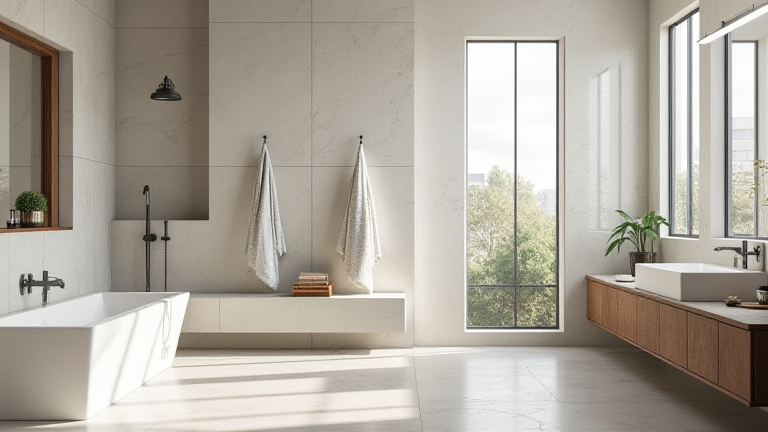
TL;DR: Porcelain decor enhances indoor air quality by providing a non-porous, inert surface that prevents the absorption of volatile organic compounds and the growth of mold and bacteria. Choosing glazed porcelain items over porous alternatives creates a hygienic aesthetic that supports respiratory health and overall home wellness.
The Science of Inert Surfaces
Indoor air quality is significantly influenced by the materials comprising our living spaces. Many common decorative items, such as unglazed clay, wood, or synthetic plastics, can emit volatile organic compounds (VOCs) or act as reservoirs for airborne particulates. Porcelain, however, is a unique ceramic material fired at extremely high temperatures, typically exceeding 1,200 degrees Celsius. This process vitrifies the material, meaning the clay particles fuse into a glass-like structure that is completely non-porous. According to environmental health studies, non-porous surfaces do not absorb odors, stains, or chemical vapors. This inert quality ensures that porcelain vases, plates, or sculptural elements do not contribute to the indoor chemical load, a critical factor for households sensitive to asthma or allergies.
If you want to dig deeper, check out our guide on Dyson V15 Detect vs Shark: Which Vacuum Is Better?.
Preventing Biological Growth
Beyond chemical emissions, biological contaminants like mold, mildew, and dust mites thrive in environments where moisture can linger. Porous decorative materials can trap humidity and organic matter, creating micro-habitats for these pathogens. Because porcelain is impermeable, it resists water absorption entirely. This makes it an ideal material for decor placed near kitchens, bathrooms, or areas with higher humidity levels. Regular cleaning of porcelain items is straightforward and effective; they can be wiped down without risk of the cleaner penetrating the material. This ease of maintenance helps keep the home free from biological allergens, directly supporting respiratory wellness. Furthermore, the smooth finish of high-quality porcelain resists the accumulation of dust, reducing the need for aggressive vacuuming or dusting that can stir up particulate matter back into the air.
Lifestyle Tips for a Healthy Decor Strategy
Integrating porcelain into your wellness routine involves thoughtful selection and placement. First, prioritize items with a clear, high-quality glaze. Unglazed porcelain or stoneware may still have microscopic pores that can harbor dust. Inspect the surface; if it feels glassy and smooth, it is likely fully vitrified. Second, consider the source of your decor. Opt for artisanal or industrial porcelain produced with lead-free glazes to avoid any potential leaching of heavy metals, which can compromise air quality through dust transfer. Third, use porcelain to enhance natural light. White or light-colored porcelain reflects light better than dark, matte materials, reducing the need for artificial lighting that can generate heat and affect humidity levels. Finally, incorporate living plants into your display. While the plant itself purifies the air, placing it in a porcelain pot ensures that excess water does not seep into the soil reservoir and cause mold growth at the base of the plant.
By choosing porcelain, you are not merely selecting a beautiful object but making a functional health decision. It bridges the gap between aesthetic appeal and environmental responsibility. As you curate your home, remember that every surface tells a story about the air you breathe. Choose the story of clarity, hygiene, and purity.
FAQ
Q: Does porcelain release any harmful gases when heated?
A: No, properly fired porcelain is chemically stable and does not release VOCs or off-gas, even under normal household temperature conditions.
Q: Is porcelain better than wood for indoor air quality?
A: Yes, wood is porous and can absorb humidity and retain dust, whereas porcelain is non-porous and easier to keep hygienic, reducing allergen load.
Q: How often should I clean porcelain decor for air quality?
A: Wipe surfaces monthly or as needed to remove dust; the non-porous nature means simple cleaning is sufficient to maintain a healthy environment.
Leave a Reply