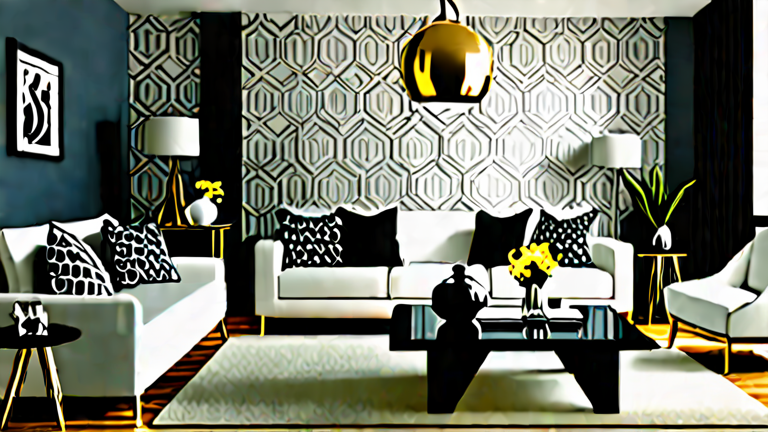
10 Porcelain Home Decor Ideas That Elevate Your Tech-Forward Space
TL;DR: Integrating smart, self-cleaning, and data-responsive porcelain decor allows homeowners to merge aesthetic elegance with functional IoT capabilities. This fusion creates a living environment where traditional craftsmanship meets modern digital intelligence, enhancing both visual appeal and home automation efficiency.
The intersection of traditional ceramic arts and cutting-edge technology is reshaping interior design. As smart homes become standard, consumers are seeking decor that is not merely decorative but actively functional. Porcelain, known for its durability and translucency, has become the ideal medium for embedding sensors, LEDs, and haptic interfaces. This article explores ten specific ideas that leverage the latest developments in material science and IoT to transform your living space.
If you want to dig deeper, check out our guide on Porcelain Home Decor: Step-by-Step Styling Tutorial.
1. Smart Lighting Lamps with Ambient Sensing
Modern porcelain lamps now feature embedded photoreceptors that adjust color temperature and brightness based on natural light levels. These units connect via Wi-Fi or Bluetooth to home hubs, allowing users to set scenes that trigger specific lighting moods. The porcelain material diffuses light beautifully, reducing glare while maintaining high luminance efficiency, making it a superior choice for tech-forward lighting solutions.
2. Interactive Touch-Side Tables
Engineered porcelain side tables now include capacitive touch surfaces that allow users to control media, adjust thermostats, or check security feeds without lifting a finger. The surface remains cool to the touch and highly resistant to scratches, ensuring longevity. These tables often feature hidden charging pads for wireless devices, seamlessly blending utility with high-end aesthetics.
3. Self-Cleaning Porcelain Vases
Utilizing photocatalytic glazes, these vases break down organic matter and prevent mold growth when exposed to ambient light. This technology is particularly useful in tech-heavy spaces where dust accumulation can affect nearby sensors. The vases can be connected to smart irrigation systems, automatically watering plants based on soil moisture data transmitted from embedded sensors.
4. Acoustic Porcelain Panels
For home offices and media rooms, perforated porcelain panels offer superior sound absorption compared to traditional foam. These panels can be integrated with active noise cancellation systems, adjusting their acoustic properties in real-time to optimize speech clarity or music quality. This innovation addresses the common issue of echo in modern, open-plan tech spaces.
5. Data-Visualizing Art Pieces
Dynamic porcelain sculptures embedded with micro-LEDs can display real-time data such as weather, stock prices, or energy consumption. The translucent nature of fine porcelain allows for crisp, vibrant displays without the harshness of digital screens. These pieces serve as both art and information dashboards, keeping users informed while enhancing the room’s visual dynamics.
6. Haptic Feedback Wall Tiles
In interactive entertainment zones, porcelain wall tiles can provide haptic feedback synchronized with on-screen action. This technology adds a tactile dimension to gaming and virtual reality experiences. The durability of porcelain ensures that these high-impact surfaces remain intact even after years of rigorous use, offering a long-term investment for enthusiasts.
7. Smart Planters with Environmental Monitoring
Porcelain planters equipped with soil temperature and pH sensors provide precise data for optimal plant health. This information is relayed to a mobile app, offering tailored care recommendations. The elegant design of the porcelain complements the organic growth of plants, creating a balanced contrast between natural and digital elements in the home.
8. Gesture-Controlled Decorative Objects
Using proximity sensors, certain porcelain decorative objects can be controlled via hand gestures. For example, a vase might rotate or change color when a user waves their hand over it. This hands-free interaction aligns with the minimalistic, clean interface preferred in tech-forward homes, reducing the need for physical switches or buttons.
9. Energy-Harvesting Porcelain Surfaces
Advanced glazes with piezoelectric properties can harvest kinetic energy from foot traffic or vibrations to power low-energy
Leave a Reply