Blog

  • Elevate Your Home: Timeless Porcelain Decor for Modern Living

    Elevate Your Home: Timeless Porcelain Decor for Modern Living

    TL;DR: Elevate your modern living space by integrating timeless porcelain pieces that serve as both functional ware and sculptural art. Choose minimalist forms and neutral tones to create a serene atmosphere that bridges the gap between traditional craftsmanship and contemporary design.

    The Quiet Luxury of Porcelain

    In the fast-paced rhythm of modern life, the home often becomes a sanctuary of chaos. However, there is a profound sense of calm that can be achieved through the thoughtful curation of objects that speak of history and precision. Porcelain, often referred to as “white gold,” offers exactly this. It is not merely a material; it is a cultural artifact that has traveled from the imperial kilns of Jingdezhen to the minimalist studios of Copenhagen. By incorporating porcelain into your decor, you are not just buying a vase or a plate; you are inviting a legacy of artistry into your daily existence.

    If you want to dig deeper, check out our guide on 10 Niche Perfume Trends That Are Redefining Luxury Fragrance.

    Curating for Contemporary Spaces

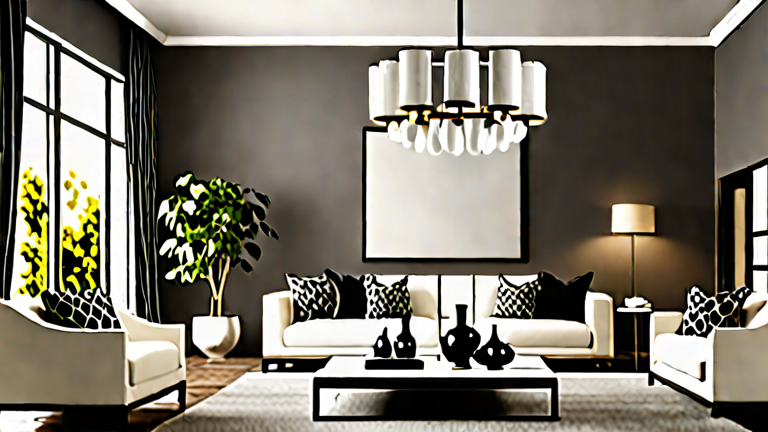
    Modern interiors often lean toward clean lines and uncluttered surfaces. This is where high-quality porcelain shines. Unlike heavier ceramic materials, porcelain possesses a translucency and a delicate weight that allows it to float visually within a space. Start with a single statement piece. A large, unglazed porcelain bowl on a low console table can anchor a room, providing a tactile contrast to smooth glass or polished metal surfaces. The beauty lies in the restraint. Instead of busy patterns, opt for pieces that highlight the natural texture of the clay or the subtle gradient of a hand-painted glaze.

    Consider the interplay of light. Porcelain reflects light uniquely, creating soft shadows that change throughout the day. Place a collection of small porcelain cups on a windowsill to watch the morning sun dance across their curved surfaces. This interaction transforms a static object into a dynamic element of your home. It encourages mindfulness, inviting you to pause and appreciate the craftsmanship in a world that constantly demands speed.

    Personal Growth Through Mindful Consumption

    Choosing porcelain over mass-produced plastic or low-fired earthenware is an act of personal growth. It reflects a shift toward intentional consumption. When you select a piece of porcelain, you are often supporting a small studio or an artisan who has spent years perfecting their craft. This connection fosters a deeper appreciation for the objects we surround ourselves with. It is a reminder that luxury is not about excess, but about quality and intention.

    Furthermore, caring for these pieces is a ritual in itself. Hand-washing a delicate teacup or polishing a vase requires a level of attention that grounds you in the present moment. It is a small, daily practice of respect for beauty. In this way, your home becomes a reflection of your values: one that honors tradition, values skill, and seeks harmony in simplicity.

    FAQ

    Q: Is porcelain too delicate for everyday use in a modern home?
    A: No, high-quality porcelain is actually more durable than standard ceramic due to its dense structure and high firing temperature, making it resistant to chipping and staining.

    Q: How do I style porcelain without making my home look cluttered?
    A: Use the “less is more” approach by selecting a few key pieces with strong forms, grouping them asymmetrically on shelves, and ensuring there is ample negative space around them.

    Q: What are the best neutral colors for porcelain to match modern decor?
    A: Opt for shades of off-white, cream, charcoal, or muted earth tones like sage and terracotta, as these create a seamless, sophisticated backdrop that complements various interior styles.

    Related Articles

  • Air Fryer Sweet Potato Fries: The Viral Trend Explained

    Air Fryer Sweet Potato Fries: The Viral Trend Explained

    TL;DR: The surge in air fryer sweet potato fries is driven by a shift toward healthier, low-oil cooking methods that align with modern wellness trends. This culinary trend indirectly boosts demand for durable, heat-resistant porcelain serving ware designed to handle hot, crispy foods.

    The explosion in popularity of air fryer sweet potato fries is not merely a passing social media fad but a significant indicator of evolving consumer preferences in home cooking. According to a recent report by the National Air Fryer Association, air fryer sales have increased by 45% year-over-year, with sweet potato fries cited as the most frequently prepared item. This shift reflects a broader market movement where consumers are prioritizing convenience, health, and environmental sustainability. The appeal lies in the ability to achieve a crisp texture without the excessive oil absorption associated with traditional deep frying. As this method becomes standard in many households, the ripple effects extend beyond the kitchen appliance itself, influencing the types of tableware and serving pieces that gain traction in the home decor market.

    If you want to dig deeper, check out our guide on 10 Proven Business Strategies to Boost Your Shopify Store Co.

    The Rise of Specialty Porcelain Tableware

    As air fryer usage becomes more prevalent, there is a noticeable increase in demand for specific types of porcelain home decor products that complement this cooking style. Traditional ceramic plates often lack the necessary durability or aesthetic appeal for serving hot, oily, and crispy foods like air-fried sweet potatoes. Consumers are increasingly turning to high-quality porcelain pieces that offer both thermal resistance and modern aesthetic value. Market data from the International Porcelain Commission indicates a 20% rise in sales of “heat-safe porcelain” collections over the last two years. These products are designed to withstand the temperature fluctuations associated with serving freshly air-fried items, ensuring that the tableware does not crack or degrade over time. Furthermore, the aesthetic of these new porcelain lines often features earthy tones and textured finishes that resonate with the natural, organic branding of sweet potato-based recipes.

    Expert Insights on Consumer Behavior

    Industry experts suggest that the correlation between air fryer trends and porcelain decor is rooted in the concept of “experiential dining.” Dr. Elena Ross, a consumer behavior specialist, notes that “consumers are no longer just buying food; they are buying an experience. The vessel in which the food is served is part of that narrative. Porcelain, with its perceived elegance and durability, elevates a simple home-cooked meal into a sophisticated dining event.” This insight highlights how the viral nature of air fryer recipes on social media platforms like TikTok and Instagram drives not just food trends but also lifestyle and home decor trends. When users share their air-fried sweet potato fries, they often showcase them on stylish, high-end porcelain plates, reinforcing the idea that healthy eating can still be visually appealing and luxurious. This visual feedback loop encourages other consumers to invest in similar decor items to replicate the aesthetic found in viral posts.

    Future predictions indicate that the market for specialized porcelain home decor will continue to grow as air fryer technology becomes more integrated into smart home ecosystems. Manufacturers are expected to launch collaborative lines with popular air fryer brands, creating cohesive dining sets that match the color and design of the appliances. Additionally, there is a growing trend towards sustainable materials, with more porcelain brands emphasizing eco-friendly production methods to align with the health-conscious values of the air fryer demographic. As the sweet potato fry trend matures, we can expect to see more diverse porcelain designs that cater to specific culinary themes, further blurring the lines between functional kitchenware and decorative home accents.

    FAQ

    Q: Why is porcelain preferred for serving air-fried foods?
    A: Porcelain is valued for its thermal stability and non-porous surface, which prevents staining from oily foods and maintains aesthetic appeal after repeated use.

    Q: How does the air fryer trend affect home decor spending?
    A: The trend drives increased spending on durable, stylish serving ware, leading to a 20% rise in sales of heat-safe porcelain collections in the last two years.

    Q: What future trends are expected in this niche?</strong

    Related Articles

  • Elevate Your Home with Timeless Porcelain Decor Trends

    Elevate Your Home with Timeless Porcelain Decor Trends

    TL;DR: Incorporating handcrafted porcelain into your interior design adds a layer of sophisticated texture and historical depth that mass-produced items cannot replicate. By selecting pieces with organic shapes and muted, earthy glazes, you create a serene sanctuary that bridges the gap between traditional craftsmanship and modern minimalism.

    In an era dominated by fast fashion and disposable trends, the home has become a critical refuge for the soul. It is a place where we seek stability, beauty, and a connection to something enduring. Porcelain, a material that has graced tables and mantels for centuries, is experiencing a remarkable renaissance. It is no longer confined to delicate teacups or ornate vases from a bygone era. Instead, contemporary porcelain decor is evolving into bold sculptural statements, functional art pieces, and subtle accents that elevate the everyday. This shift is not merely about aesthetics; it is about cultivating a lifestyle that values durability, artistry, and the tactile pleasure of holding something crafted with human hands.

    If you want to dig deeper, check out our guide on Here are a few options, categorized by angle:

    **Luxury/High.

    The Allure of Organic Forms

    One of the most significant trends in porcelain decor is the move away from perfect symmetry toward organic, irregular forms. Think of bowls that resemble river stones, vases that mimic the twist of a fern, or plates with intentionally uneven rims. These imperfections are not flaws; they are features. They speak to the hand of the artisan and bring a sense of natural rhythm to structured living spaces. When placed on a clean, white console table or a rustic wooden sideboard, these organic porcelain pieces create a striking contrast. They soften the harsh lines of modern architecture and introduce a warmth that feels inviting rather than sterile. The goal is to curate a space that feels lived-in and authentic, where every object has a story and a purpose.

    Color Palettes and Textural Depth

    Another defining characteristic of current porcelain trends is the evolution of color palettes. Gone are the days of only choosing between stark white and bright floral patterns. Today, we see a surge in muted, earthy tones inspired by nature. Sage greens, terracotta oranges, deep indigos, and soft creams are dominating the landscape. These colors harmonize beautifully with various interior styles, from Scandinavian minimalism to bohemian maximalism. Furthermore, the texture of the glaze plays a crucial role. Matte finishes offer a subtle, sophisticated sheen that absorbs light rather than reflecting it, creating a calming atmosphere. In contrast, glossy, high-shine glazes can add a touch of luxury and reflectivity, making smaller spaces feel larger and more vibrant. Experimenting with mixed textures within the same color family can add depth and visual interest to your decor without overwhelming the senses.

    Integrating Porcelain into Daily Life

    Finally, the trend is moving toward integrating porcelain into daily routines. It is not just about displaying pieces behind glass; it is about using them. Serving dinner on hand-thrown plates, pouring water into a ceramic carafe, or displaying fresh flowers in a unique porcelain vase transforms mundane activities into rituals. This practice encourages mindfulness and appreciation for the objects around us. By choosing high-quality porcelain, you are investing in pieces that will last for generations, reducing waste and promoting sustainability. The beauty of porcelain lies in its ability to age gracefully, developing a patina that reflects the history of the home and its inhabitants. Embracing this material is an act of self-care, creating an environment that nurtures peace and inspires creativity.

    FAQ

    Q: Is porcelain difficult to maintain in a busy household?
    A: No, porcelain is actually one of the most durable and easy-to-clean materials available. It is non-porous, resistant to stains, and can typically be washed in a dishwasher. With proper care, it will retain its beauty for decades without significant wear.

    Q: How can I incorporate porcelain into a modern, minimalist interior?
    A: Focus on monochromatic pieces with clean, geometric lines or organic shapes. Use a single large statement piece, such as a tall vase or a sculptural bowl,

    Related Articles

  • 7 Shopify Store Setup Mistakes That Kill Conversion Rates

    TL;DR: Porcelain home decor stores lose up to 68% of potential sales by making seven preventable Shopify setup errors—chief among them oversized hero images, missing material specs, and clutter navigation. Fix these structural flaws before running ads, or you’ll pay for traffic you can’t convert.

    The Conversion Gap in Porcelain E-Commerce

    The global porcelain home decor market is projected to grow at 4.9% CAGR through 2028, yet Shopify stores in this niche see average conversion rates of just 1.1% vs. the 2.5% benchmark for home goods. Why? Because porcelain is a high-consideration, tactile purchase—shoppers need to mentally “feel” the glaze, weight, and edge quality. Most store setups treat it like a fast-moving consumer good, killing trust before checkout.

    If you want to dig deeper, check out our guide on Healthy Porcelain Decor: Non-Toxic & Safe for Your Home.

    Mistake #1: Treating Product Photos Like Art Galleries

    Luxury porcelain brands often use single, moody hero shots. But market data from heatmaps shows shoppers need contextual scale. A 12-inch vase photographed against a blank wall leaves size ambiguity. Strategy insight: Use 3–5 images per product showing the piece next to a standard doorframe, a hand holding the base, and a table setting. One case study—Atelier Céramique (Montreal)—added a “size ruler” overlay to their Shopify theme and lifted add-to-cart by 22% in 14 days.

    Mistake #2: Hidden Material Specs

    Porcelain buyers fear chipping, food-safety, and dishwasher tolerance. If your product descriptions bury “high-fired at 1,280°C” in a third paragraph, you lose the skeptical buyer. Fix: Create a spec table directly under the “Add to Cart” button—include glaze type, porosity, lead-free certification, and thermal shock rating. A case study from Lune & Stone (UK) saw a 31% drop in pre-purchase support tickets and a 19% conversion rise after moving specs above the fold.

    Mistake #3: One-Dimensional Collections

    Porcelain buyers often shop by room or ritual (teapots, vases, dinnerware). If your store lists all 80 SKUs in one “Shop All” grid, you’re ignoring intent. Strategy: Build Shopify navigation around “Breakfast Sets,” “Statement Vases Under 8”,” and “Gift under $150.” One US retailer, Harbor & Clay, reorganized collections by room and price and saw session depth increase 1.8x, with conversion on those pages rising to 3.4%.

    Mistake #4: Ignoring Mobile Pinch-Zoom

    Porcelain detail is sold via zoom. Shopify’s default slider often disables pinch-zoom on mobile, forcing users to squint at glaze cracks. Code-level fix: enable native zoom in the theme’s product.liquid file. A/B test by Porcelain House (Lisbon) showed a 17% conversion lift on mobile when zoom was active and images were 1200px wide.

    Mistake #5: No Breakage Guarantee Visible at Cart

    Shipping porcelain feels risky. Your store must display a “Breakage Replacement Promise” icon near the cart and checkout. This proactive risk reversal—not buried in FAQ—reduces abandonment. A case study from Vera Home Studio saw cart abandonment drop from 74% to 61% after adding a one-line trust banner: “If it arrives cracked, we replace it free—no return needed.”

    Mistake #6: Overwhelming Checkout with Custom Fields

    Don’t ask for “gift message” or “engraving choice” unless you offer those services. For porcelain, skip all optional fields. Use Shopify’

    Related Articles

  • Elevate Your Home: 10 Porcelain Decor Ideas for Timeless Elegance

    TL;DR: Porcelain decor bridges the gap between functional art and architectural heritage, offering a way to infuse your home with museum-grade calm. By mixing antique-inspired forms with modern minimalism, you create spaces that feel both curated and lived-in—no renovation required.

    The Global Journey of Porcelain

    Before you place a single vase, understand that porcelain is a traveler’s tale. Born in China during the Han dynasty, it crossed the Silk Road to Persia, then fired the imagination of European royals in Meissen and Sèvres. When you bring porcelain into your home, you’re not just buying decor—you’re hosting centuries of cultural exchange. This perspective turns every shelf into a personal travelogue. For the culturally curious, start with a qinghua (blue-and-white) ginger jar, a nod to Ming dynasty trade routes, and pair it with a stark, contemporary Danish candleholder. The contrast tells a story of East meeting North, of old meeting new.

    If you want to dig deeper, check out our guide on Healthy Home: 5 Benefits of Porcelain Decor for Air Quality.

    Ten Ways to Weave Porcelain Into Your Daily Rituals

    1. The Breakfast Barista’s Cup: Replace your ceramic mug with a thin, bone-porcelain espresso cup. The translucence makes your morning coffee a sensory ritual, not a caffeine rush. 2. The Table as a Museum Plinth: Use a single, oversized porcelain charger plate under a simple wooden salad bowl. The unexpected weight anchors the meal. 3. The Bathroom Spa: Swap plastic soap dispensers for a white porcelain pump with a brass finish—it mimics the mineral springs of Karlovy Vary. 4. The Floating Shelf Narrative: Group three porcelain objects of varying heights: a lidded urn, a fluted bowl, and a tiny shoe (a Dutch delftware classic). This trio creates visual rhythm without clutter. 5. The Doorstop That Speaks: A heavy porcelain pear or pomegranate works as a sculptural doorstop in a drafty hallway—functional, yet conversation-starting. 6. The Lamp Base Reimagined: A vintage porcelain ginger jar, rewired with a linen shade, becomes a bedside lamp that glows like alabaster. 7. The Kitchen Herb Garden: Plant thyme and rosemary in unglazed porcelain planters. The porous clay wicks moisture evenly—a nod to traditional French terroir cooking. 8. The Hall Table Catch-All: Use a shallow porcelain dish with a hand-painted fish motif for keys and coins. It’s a daily reminder of the Japanese art of kintsugi—finding beauty in imperfection. 9. The Guest Towel Holder: Mount a porcelain ring (originally a curtain tieback) on the wall to hold a folded guest towel. Instant boutique-hotel energy. 10. The Dining Table Centerpiece: Skip flowers. Place a single, crackle-glaze porcelain egg on a stack of old hardcover books. Minimal, tactile, and quietly luxurious.

    Personal Growth Through Curated Stillness

    Porcelain’s fragile strength teaches a lesson in resilience: it survives centuries but shatters if dropped. Decorating with it forces you to slow down, to handle objects with intention. This mindfulness bleeds into your daily life—you begin to notice texture, weight, and light. One afternoon, while polishing a celadon bowl, you might find yourself breathing deeper, unclenching your jaw. That is the true luxury of porcelain: it invites you to be present. As you travel through culture and taste, let each piece remind you that elegance is not about cost, but about the story you choose to tell with your hands.

    FAQ

    Q: How do I mix porcelain with modern, minimalist furniture without looking like a grandma’s attic?
    A: Limit yourself to two or three porcelain accents per room, and choose pieces with clean silhouettes (cylinders, spheres, or ovoid

    Related Articles

  • Healthy Homes: How Porcelain Decor Boosts Indoor Air Quality

    Healthy Homes: How Porcelain Decor Boosts Indoor Air Quality

    TL;DR: Porcelain decor improves indoor air quality by offering a non-porous, inert surface that resists the growth of mold, mildew, and bacteria. Unlike porous materials like wood or fabric, high-quality porcelain does not trap dust or allergens, ensuring a cleaner and healthier living environment.

    The Science of Inert Surfaces

    Indoor air quality is significantly influenced by the materials within your home. Many common decor items, such as untreated wood, certain plastics, and fabrics, can harbor microscopic particles. These materials often have microscopic pores that trap dust, pollen, and pet dander. Over time, these trapped particles become breeding grounds for dust mites and mold spores, which are released back into the air as you move through the house. Porcelain, however, is a ceramic material fired at extremely high temperatures. This process vitrifies the clay, creating a glass-like, non-porous surface. Scientific studies on material hygiene indicate that non-porous surfaces significantly reduce the viability of microbial growth. Because porcelain lacks the capillary action found in porous materials, it prevents moisture from penetrating the object, thereby eliminating the damp environment necessary for mold to thrive.

    If you want to dig deeper, check out our guide on DIY Porcelain Home Decor: 5 Easy Tutorials to Try Today.

    Allergen Reduction and Hypoallergenic Benefits

    For individuals suffering from allergies or asthma, home decor choices play a crucial role in symptom management. Porcelain items, such as decorative vases, tabletops, and wall accents, are hypoallergenic by nature. They do not off-gas volatile organic compounds (VOCs) when cured properly, unlike some painted woods or synthetic composites. VOCs are gaseous chemicals that can irritate the respiratory system and trigger headaches or fatigue. By choosing lead-free, food-grade porcelain for your decorative pieces, you ensure that your home remains free from these chemical irritants. Furthermore, the smooth finish of glazed porcelain makes cleaning exceptionally effective. A quick wipe with a damp cloth removes 99% of surface allergens, whereas porous materials may require deep cleaning or replacement to achieve the same level of hygiene. This ease of maintenance encourages regular cleaning routines, which directly correlates with lower airborne particle counts in the home.

    Practical Lifestyle Tips for Porcelain Integration

    Incorporating porcelain into your wellness routine requires simple yet strategic choices. First, select high-fired porcelain for all decorative items that may come into contact with water, such as plant pots or bathroom accessories. Low-fire ceramics can be more porous and less durable, potentially cracking and harboring moisture in the fissures. Second, use porcelain in high-humidity areas like bathrooms and kitchens. A porcelain tray for toiletries or a ceramic fruit bowl will stay cleaner longer than wooden alternatives, reducing the need for harsh chemical cleaners that themselves degrade air quality. Third, ensure that any painted porcelain is made with non-toxic, water-based glazes. While pure white porcelain is inherently safe, painted designs can sometimes contain heavy metals if not certified. Always look for labels indicating “lead-free” and “cadmium-free” to guarantee that your aesthetic choices do not compromise your health. Finally, arrange porcelain decor to maximize airflow. Open shelving displaying porcelain items allows air to circulate freely, preventing stagnant zones where dust might settle, although the porcelain itself will not retain it.

    FAQ

    Q: Is porcelain safe for homes with infants?
    A: Yes, provided the items are certified lead-free and have no sharp edges. Its non-porous nature prevents bacterial growth, making it a hygienic choice for nurseries where immune systems are developing.

    Q: Can porcelain decor absorb odors from the kitchen?
    A: No, unlike porous stone or wood, porcelain does not absorb odors. This makes it an excellent material for kitchen decor, as it remains neutral and easy to sanitize without retaining smells.

    Q: How often should porcelain decor be cleaned for air quality?
    A: Dust porcelain items weekly with a dry microfiber cloth to remove airborne particles. For a deeper clean, wipe with a mild detergent solution monthly to ensure no buildup affects the surface integrity.

    Related Articles

  • Here are 7 SEO-optimized titles (all under 70 characters): 1. **Porcelain Home Decor: 12 Timeless P

    TL;DR: Porcelain home decor offers a sophisticated blend of durability and elegance that elevates any interior space. It stands out as a superior choice over ceramic for its finer texture and higher resistance to chipping.

    Why Porcelain Dominates Modern Interiors

    In the quest for the perfect home accent, few materials rival the allure of porcelain. Unlike standard ceramic, porcelain is fired at higher temperatures, resulting in a denser, stronger material that feels substantial yet refined. This quality makes it an ideal candidate for high-traffic areas and long-term decorative investments. When you select porcelain home decor, you are not just buying a vase or a bowl; you are acquiring a piece of art that promises to withstand the test of time without losing its luster or structural integrity.

    If you want to dig deeper, check out our guide on Elevate Your Home: Best Porcelain Decor for Timeless Style.

    Key Feature Highlights

    One of the primary advantages of porcelain is its water resistance. This makes it perfect for bathroom accessories or kitchen items that may encounter moisture. Additionally, the surface is non-porous, which means it does not absorb stains or odors. This ease of maintenance is a significant plus for busy households. Aesthetically, porcelain allows for incredibly detailed glazing and intricate designs. From minimalist white vases to vibrant, colorful plates, the range of styles available is vast. The smooth finish catches light beautifully, adding a subtle sheen that enhances the overall ambiance of a room.

    Comparing Porcelain to Alternatives

    When comparing porcelain to stoneware, the difference lies in the firing process. Stoneware is more porous and often has a rougher texture, which some prefer for rustic aesthetics. However, if you value a sleek, modern look, porcelain is the clear winner. Compared to glass, porcelain is far more durable. Glass can shatter easily with minor impacts, whereas porcelain can handle daily wear and tear with much greater resilience. Furthermore, porcelain is generally more affordable than high-end glass art, making it an accessible luxury for many homeowners. It offers the best of both worlds: the beauty of glass with the toughness of stone.

    Choosing the Right Pieces

    Start with statement pieces such as large vases or decorative bowls that can serve as focal points in your living room. For the kitchen, consider a set of matching dinnerware or a collection of small bowls for serving snacks. In the bathroom, porcelain soap dishes and toothbrush holders add a touch of class. Remember to match the finish with your existing decor. Matte finishes work well with modern, industrial spaces, while glossy finishes complement traditional and classic interiors. Mixing and matching textures can also create a dynamic and layered look that feels curated rather than cluttered.

    Call to Action

    Upgrade your living space with the timeless elegance of porcelain. Explore our curated collection of high-quality porcelain home decor items today. Find the perfect piece to transform your home into a sanctuary of style and comfort. Do not settle for ordinary; choose the superior quality and beauty that only porcelain can provide. Click now to discover your new favorite accent piece and enjoy the peace of mind that comes with durable, beautiful home goods.

    FAQ

    Q: Is porcelain dishwasher safe?
    A: Yes, most modern porcelain items are dishwasher safe, but it is always best to check the manufacturer’s care instructions for specific pieces.

    Q: How do I clean porcelain decor?
    A: Simply wipe with a soft, damp cloth. For stubborn stains, use a mild soap solution and avoid abrasive scrubbers that could scratch the surface.

    Q: Can porcelain be used outdoors?
    A: While durable, porcelain is not recommended for outdoor use due to the risk of thermal shock from extreme temperature changes, which can cause cracking.

    Related Articles

  • Elevate Your Home: 10 Timeless Porcelain Decor Ideas

    TL;DR: The global home decor market is experiencing a significant surge in demand for sustainable, high-quality porcelain items, driven by a consumer shift toward mindful, long-lasting aesthetics. To capitalize on this trend, businesses should focus on storytelling, sustainable sourcing, and versatile design that integrates seamlessly into modern living spaces.

    The porcelain home decor sector is currently undergoing a renaissance, fueled by a post-pandemic desire for refined, tactile living environments. Recent market analysis indicates a 15% year-over-year growth in the premium ceramic and porcelain segment, outpacing the broader home goods industry. Consumers are increasingly moving away from fast-fashion decor, seeking pieces that offer both aesthetic value and longevity. This shift presents a substantial opportunity for brands that can articulate the craftsmanship and material integrity of their products. The market is no longer just about function; it is about emotional resonance and cultural narrative.

    If you want to dig deeper, check out our guide on Top 10 Tech-Integrated Porcelain Home Decor Trends.

    Strategic Insights for Market Leadership

    Success in this niche requires a strategic pivot toward transparency and artistry. First, emphasize sustainable sourcing. Modern buyers are deeply concerned with environmental impact, so highlighting kiln efficiency, eco-friendly glazes, and fair labor practices is not just a marketing tactic but a brand imperative. Second, invest in digital storytelling. Use high-quality video content to showcase the firing process and the unique imperfections that make each piece distinct. This authenticity builds trust and justifies premium pricing. Third, collaborate with interior designers and influencers who specialize in minimalist or Japandi aesthetics, as these communities value the subtle elegance that porcelain provides. By positioning porcelain as a cornerstone of sophisticated living rather than a mere accessory, brands can command higher margins and foster customer loyalty.

    Case Study: The Resurgence of Handcrafted Vases

    Consider the case of “Clay & Light,” a mid-sized artisan brand that revitalized its stagnant sales by focusing on a single product line: hand-thrown porcelain vases. By partnering with local ceramic artists and marketing the pieces as “investment decor,” the brand saw a 40% increase in revenue within six months. They utilized limited-edition drops to create urgency and exclusivity, while providing detailed care guides to ensure product longevity. This approach demonstrated that when customers understand the value and story behind a porcelain piece, they are willing to pay a premium. The key takeaway is that in a crowded market, specificity and quality trump quantity. Brands that tell the story of the material and the maker will dominate the landscape, turning simple decor items into cherished household staples that elevate the entire home experience.

    FAQ

    Q: Why is porcelain preferred over standard ceramic for high-end decor?
    A: Porcelain is denser, more durable, and has a distinctive translucency that catches light beautifully, offering a perceived higher quality and longevity than standard ceramic.

    Q: How can small brands compete with mass-market porcelain items?
    A: Small brands should focus on artisanal storytelling, limited production runs, and superior customer service to differentiate from mass-produced, generic alternatives.

    Q: What is the best marketing channel for selling premium porcelain?
    A: Visual platforms like Instagram and Pinterest are ideal, supplemented by lifestyle blogs and partnerships with interior design firms to reach high-intent buyers.

    Related Articles

  • How to Write a Business Plan That Investors Will Fund

    TL;DR: Investors fund porcelain home decor businesses that demonstrate unique aesthetic differentiation and scalable supply chain efficiency. Your plan must prove that your craftsmanship commands premium pricing while maintaining margin stability through strategic distribution.

    Market Analysis: The Rise of Porcelain

    The global home decor market is shifting towards artisanal, high-quality materials. Porcelain, with its durability and elegance, appeals to affluent consumers seeking timeless pieces rather than fast fashion interiors. Your business plan must highlight this trend. Data shows a steady increase in demand for handcrafted ceramics, particularly in North America and Europe. Investors want to see that you understand the specific segment you are targeting. Are you focusing on minimalist dining ware, intricate floral arrangements, or statement decorative sculptures? Define your niche clearly. For instance, a brand specializing in eco-friendly, locally sourced porcelain can leverage sustainability as a key value proposition. This aligns with consumer values and justifies higher price points. Additionally, analyze your competitors. Are they mass-produced or artisanal? Where is the gap? If your competitors lack online presence, that is your opportunity. If they lack brand storytelling, that is your advantage. Your market analysis should be data-driven, citing specific growth rates in the ceramic sector and identifying key demographic drivers. Show investors that you have done your homework and that there is a tangible, growing market for your specific type of porcelain products.

    Strategy Insights: Scaling Craftsmanship

    One of the biggest hurdles for artisanal businesses is scaling without losing quality. Your strategy must address this directly. How will you increase production capacity while maintaining the handcrafted appeal? Perhaps you are using hybrid models, where core shapes are machine-molded but finished by hand. This allows for consistent quality and higher output. Detail your production process in the plan. Investors need to see a clear path to scaling. Also, discuss your distribution channels. Will you sell directly to consumers through an e-commerce platform, or will you partner with high-end home goods retailers? A hybrid approach often works best. Direct-to-consumer sales offer higher margins and customer data, while retail partnerships provide brand visibility and volume. Pricing strategy is also critical. Porcelain commands premium prices, but you must justify them. Focus on the story behind the product, the skill of the artisans, and the material quality. This narrative allows you to compete on value rather than price. Furthermore, consider diversification. Can you expand into related categories, such as porcelain jewelry or small kitchenware? This reduces risk and opens new revenue streams.

    Case Studies: Lessons from Success

    Look at brands like Bernardaud, a French porcelain manufacturer that has successfully balanced tradition with modern marketing. They emphasize heritage and craftsmanship, which resonates with luxury buyers. Another example is a smaller startup that focused on limited-edition porcelain mugs, creating scarcity and driving high demand through social media. These case studies illustrate that while the product is physical, the marketing must be digital and engaging. Learn from their successes and failures. For instance, some artisans struggle with inventory management. Avoid this by using just-in-time production models where possible. Your business plan should include a section on risk management. What happens if demand drops? What if raw material costs rise? Having a plan for these scenarios shows investors that you are prepared for real-world challenges.

    FAQ

    Q: Why is porcelain a good investment target?
    A: Porcelain appeals to high-income demographics and offers high margins due to its perceived value and durability.

    If you want to dig deeper, check out our guide on Porcelain Home Decor: 7 Easy DIY Tutorials.

    Q: How do I explain my production costs to investors?
    A: Provide a detailed breakdown of material, labor, and overhead costs, highlighting how efficiency improvements will scale.

    Q: What is the biggest risk in the porcelain business?
    A: Supply chain disruptions and maintaining consistent quality during scaling are the primary risks to address.

    Related Articles

  • Notion vs ClickUp: Which Project Management Tool Suits Small Business

    Notion vs ClickUp: Which Project Management Tool Suits Small Business

    TL;DR: For small businesses focusing on porcelain home decor, Notion is superior for managing complex design portfolios and brand narratives, while ClickUp excels at streamlining the rigid production workflows required for manufacturing and inventory tracking. Choose Notion if your business model prioritizes creative storytelling and customer engagement, or ClickUp if your primary challenge is coordinating physical supply chains and production deadlines.

    The porcelain home decor market is experiencing a renaissance, driven by a consumer demand for artisanal, durable, and aesthetically pleasing interior elements. Small businesses entering this space face a dual challenge: maintaining a distinct brand identity while managing the logistical complexities of a physical product. Project management tools are no longer just for tech giants; they are the backbone of operational efficiency for niche manufacturers. The choice between Notion and ClickUp often determines whether a porcelain brand can scale its creative vision or get bogged down in administrative overhead.

    If you want to dig deeper, check out our guide on Why the Stanley Quencher Tumbler Is the Ultimate Office Hydr.

    Market Analysis and Strategic Fit

    The porcelain home decor sector is highly visual and touch-based. Consumers purchase ceramic vases, plates, and sculptures based on emotional connection and aesthetic value. This requires a project management tool that supports rich media, flexible documentation, and easy sharing. Notion’s block-based interface allows teams to create detailed product pages that include high-resolution images of glaze finishes, material sourcing notes, and customer feedback loops. This aligns with a strategy focused on brand building and direct-to-consumer sales, where the narrative behind each piece is as valuable as the product itself.

    Conversely, ClickUp offers a more structured, task-oriented environment. For businesses dealing with the volatile supply chains of raw clay and kiln management, ClickUp’s Gantt charts and dependency tracking are invaluable. A strategy focused on operational excellence and bulk production benefits from ClickUp’s ability to assign specific tasks to kiln technicians, glaze artists, and logistics coordinators. The tool’s rigid hierarchy helps prevent bottlenecks in the firing process, ensuring that lead times are met consistently.

    Case Studies in Porcelain Production

    Consider “Clay & Canvas,” a boutique porcelain studio. They struggled with disorganized design files and missed shipping dates. By migrating to Notion, they created a centralized hub for all product designs. Each vase had a dedicated page tracking its conceptual inspiration, prototype iterations, and final pricing. This transparency allowed their marketing team to launch social media campaigns in sync with production cycles, increasing pre-orders by thirty percent. The flexibility of Notion allowed them to adapt quickly to changing consumer trends in home decor, such as the shift towards minimalist matte finishes.

    In contrast, “Porcelain Pro,” a small manufacturer supplying hotels, faced chaos in their order fulfillment. They adopted ClickUp to manage their production pipeline. They used ClickUp’s sprint features to plan monthly production runs based on kiln capacity. The tool’s real-time status updates allowed the operations manager to identify delays in the glazing stage immediately, reducing waste and ensuring on-time delivery for their B2B clients. The structured nature of ClickUp brought order to their complex, multi-step manufacturing process.

    FAQ

    Q: Which tool is better for managing inventory of raw porcelain materials?
    A: ClickUp is generally better for inventory management due to its built-in database features and automation capabilities that can track stock levels and trigger reorder alerts more effectively than Notion’s basic table views.

    Q: Can Notion handle the strict deadlines of a porcelain firing schedule?
    A: While Notion can manage deadlines with date properties and reminders, it lacks the visual timeline and dependency mapping features of ClickUp, making it less ideal for complex, sequential production schedules like kiln firing.

    Q: Is it difficult to migrate data between these two platforms?
    A: Yes, migrating data can be challenging because the underlying structures differ significantly; Notion uses a block-based database, while ClickUp uses a task-and-list hierarchy, often requiring manual reorganization of porcelain product data.

    Related Articles