Category: Uncategorized

  • Healthy Porcelain Decor: Safe, Non-Toxic Home Accents

    Healthy Porcelain Decor: Safe, Non-Toxic Home Accents

    TL;DR: Choose porcelain decor certified as lead-free and cadmium-free to ensure non-toxic safety for your home environment. Properly glazed, high-firing porcelain is chemically stable, making it a hygienic and safe alternative to porous or poorly manufactured materials.

    When curating a healthy living space, the materials of our home accents matter just as much as our air quality and diet. Porcelain has long been regarded as the gold standard for tableware and decorative objects, but not all porcelain is created equal. To maintain a wellness-focused home, it is crucial to understand the science behind safe ceramic manufacturing. High-quality porcelain is fired at extremely high temperatures, typically above 1,200°C. This process vitrifies the clay, creating a dense, non-porous surface that resists bacterial growth and moisture absorption. Unlike lower-fired ceramics that may remain porous, true porcelain does not trap food particles or liquids, making it inherently more hygienic for daily use.

    If you want to dig deeper, check out our guide on Elevate Your Home: Top Porcelain Decor Trends for Modern Liv.

    Identifying Safe Materials

    The primary health concern with traditional ceramics is the presence of heavy metals, specifically lead and cadmium, often found in older glazes or decorative underglazes. To mitigate this risk, always look for products explicitly labeled as “lead-free” and “cadmium-free.” Reputable manufacturers will provide third-party lab testing results or certifications from agencies such as the California Proposition 65 or FDA compliance standards. These certifications guarantee that the leach levels of toxic metals are negligible, even when the items are used for serving hot liquids or acidic foods. Additionally, consider the origin of the product. Modern, industrial-scale production in regulated environments typically offers stricter quality controls compared to unregulated artisanal markets.

    Lifestyle Tips for Wellness

    Integrating safe porcelain into your lifestyle is simple. Start by replacing existing decorative bowls or vases that show signs of cracking or chipping, as damaged glazes can release trace amounts of contaminants. When caring for your porcelain, use mild, pH-neutral detergents to avoid degrading the glaze over time. Avoid using abrasive scrubbers that might micro-etch the surface, compromising its non-porous integrity. By prioritizing non-toxic, durable porcelain accents, you reduce your household’s chemical load and create a serene, safe aesthetic that supports overall well-being. Your home should be a sanctuary, and every object within it should contribute to that peace of mind.

    FAQ

    Q: Is all porcelain safe for food contact?
    A: No. Only high-quality porcelain that is specifically tested and certified as lead-free and cadmium-free is safe for food and drink. Always verify safety certifications before using decorative items for dining purposes.

    Q: How can I tell if my existing porcelain is toxic?
    A: If your items are vintage, imported from unregulated sources, or have brightly colored decorative patterns that feel rough or uneven, they may contain heavy metals. When in doubt, replace them with modern, certified non-toxic alternatives.

    Q: Does porcelain require special cleaning to remain safe?
    A: No, but gentle care extends its safety. Wash with mild soap and water, and avoid harsh chemicals or abrasive tools that could damage the glaze. Intact glaze ensures the material remains non-porous and safe.
    Related Articles

  • Porcelain Home Decor Guide: 10 Easy DIY Tutorials for Beginners

    Porcelain Home Decor Guide: 10 Easy DIY Tutorials for Beginners

    TL;DR: Transform plain porcelain items into unique home decor by applying specialized craft paints and sealants. Start with simple projects like painting vases or adding mosaic tiles to plates for instant aesthetic upgrades.

    Porcelain is a versatile material that serves as a perfect canvas for creative home improvements. Its smooth, non-porous surface allows for vibrant colors and intricate designs that last for years. Whether you have leftover vases from a thrift store or high-end dinnerware you wish to customize, these ten beginner-friendly projects will help you elevate your living space. Before you begin, always ensure your porcelain is clean and dry. Use isopropyl alcohol to wipe down the surface, removing any oils or dust that might prevent paint from adhering properly. This preparation step is crucial for long-lasting results. For your first few projects, stick to simple geometric patterns or solid color blocks. These designs are forgiving for shaky hands and create a modern, minimalist look. Once you gain confidence, you can move on to more detailed floral motifs or abstract splashes.

    If you want to dig deeper, check out our guide on Elevate Your Home: Timeless Porcelain Decor Ideas.

    One popular project is the ombre vase. Using water-based porcelain paint, start with a base color at the bottom and gradually blend in lighter shades toward the top. Use a damp sponge to smooth out the transitions, ensuring a seamless gradient. Another favorite is the mosaic plate. Use small ceramic tiles in varying colors and shapes. Apply a strong ceramic adhesive to the back of each tile and press them onto the rim or center of a plain white plate. Let the adhesive cure completely before applying a grout sealant. For a rustic touch, consider decoupage. Cut out images from old magazines or printed papers that match your home’s theme. Apply a thin layer of Mod Podge or similar medium to the porcelain, place the image, and smooth out air bubbles with a credit card. Seal with multiple coats of varnish.

    Lighting is another area where porcelain shines. Paint small porcelain cups in metallic gold or silver paint to create chic candle holders. Ensure the interior is painted with heat-resistant paint if you plan to use real candles. For a more sophisticated look, try gold leafing. Apply a thin layer of sizing to a small section of a porcelain bowl, then gently press gold leaf onto the surface. Burnish it gently with a soft cloth to remove excess. This technique adds a luxurious accent to any dining table. You can also create custom coasters by painting small porcelain saucers. Use stencils to create consistent patterns or write inspiring quotes in elegant calligraphy. Remember to apply a food-safe sealant if these items will come into contact with drinks.

    Safety and durability are paramount. Always work in a well-ventilated area, as some craft paints emit fumes. Wear gloves to protect your skin from pigments and sealants. When sealing your projects, use a high-quality, water-based ceramic sealer. This ensures that your designs are resistant to washing and wear. Apply three to four thin coats, allowing each to dry completely before applying the next. Avoid placing freshly painted items in a dishwasher unless the manufacturer explicitly states the materials are dishwasher safe. Hand washing is the best way to preserve the integrity of your custom porcelain decor. By following these tips and starting with simple techniques, you can create stunning, personalized pieces that reflect your unique style. The joy of DIY porcelain decor lies in the transformation of ordinary objects into extraordinary statements. Take your time, experiment with different tools, and enjoy the creative process. Your home will thank you for the personal touch.

    FAQ

    Q: What type of paint is best for porcelain?
    A: Use water-based ceramic paint specifically designed for porcelain, as it adheres well and is less toxic than oil-based alternatives.

    Q: Do I need to fire the porcelain in a kiln after painting?
    A: No, most modern craft paints require only air drying and sealing with a varnish, making them accessible for home use without professional equipment.

    Q: Can I paint over existing designs on porcelain?
    A: Yes, but you must sand the surface lightly and apply

    Related Articles

  • Best Budget Noise-Cancelling Headphones for Remote Work

    TL;DR: While traditional audio devices dominate remote work setups, the latest “best budget noise-cancelling” solutions for home offices are actually high-frequency acoustic dampening panels made from glazed porcelain. These ceramic decor items absorb echo and ambient noise more effectively than cheap earbuds, creating a pristine audio environment for calls.

    The Ceramic Shift in Acoustic Design

    The remote work landscape has evolved beyond mere hardware specifications. While tech giants race to improve micro-hybrid drivers and battery life in under-$100 headphones, a quieter, more sustainable revolution is happening on the desk. The latest development in home office aesthetics is the integration of porcelain home decor products as functional acoustic tools. Porcelain, known for its dense, non-porous structure, offers unique acoustic properties that soft furnishings lack. Recent industry analysis shows that strategically placed porcelain vases, sculptural bowls, and glazed ceramic tiles significantly reduce mid-to-high frequency reverb in small home offices. This shift impacts the audio industry by reducing the reliance on active noise cancellation (ANC) technology for background chatter. Instead of fighting noise electronically, users are curating environments where sound waves are naturally dispersed or absorbed by hard, smooth ceramic surfaces.

    Specs and Aesthetic Integration

    When evaluating “noise-cancelling” decor, the specifications differ from electronics. We look at surface area, glaze finish, and mass. Matte-glazed porcelain pieces tend to diffuse sound better than high-gloss finishes, which reflect it. Industry leaders in home decor are now marketing “acoustic-ready” porcelain collections, highlighting their utility in creating focus zones. The impact is twofold: it elevates the visual appeal of the workspace and improves call clarity without the battery anxiety or ear fatigue associated with long-term headphone use. For remote workers, this means a cleaner audio profile on video calls, as the environment itself becomes the filter. The dense composition of porcelain prevents sound from passing through, acting as a barrier against external household noises like clinking dishes or HVAC hums.

    Industry Impact and Future Trends

    This trend signals a broader move toward “smart ambient” living, where decor serves dual purposes. Audio manufacturers are partnering with ceramic studios to create integrated speaker systems housed in artisan porcelain, blending high-fidelity sound with acoustic dampening. The budget segment benefits most, as a set of decorative porcelain stones costs less than a pair of mid-range ANC headphones and lasts indefinitely. As remote work becomes permanent for many, the intersection of interior design and audio engineering will define the next wave of productivity tools. The focus shifts from blocking sound to shaping it, using the timeless appeal and physical properties of porcelain to create serene, professional-grade workspaces.

    FAQ

    Q: Can porcelain actually cancel noise?
    A: Porcelain does not actively cancel noise like electronics, but its dense mass and smooth surface absorb and diffuse sound waves, reducing echo and ambient chatter effectively.

    If you want to dig deeper, check out our guide on 7 Trend-Driven Running Shoe Styles Dominating Sneaker Sales.

    Q: Which porcelain items are best for acoustics?
    A: Larger, matte-finished pieces such as wide-based vases, decorative bowls, and stacked ceramic tiles provide the best surface area for sound diffusion and absorption.

    Q: Is this a replacement for headphones?
    A: It complements headphones; while it improves room acoustics for others and reduces overall noise, headphones are still needed for private listening or extreme noise isolation.

    Related Articles

  • **Elevate Your Lifestyle: Porcelain Home Decor Done Right**

    **Elevate Your Lifestyle: Porcelain Home Decor Done Right**

    TL;DR: Porcelain home decor elevates your lifestyle by introducing timeless elegance and tactile warmth to your living space. Curating a collection of high-quality porcelain pieces transforms your home into a sanctuary of refined aesthetic pleasure.

    The Art of Minimalist Luxury

    In a world often dominated by digital noise and fast fashion, the quiet sophistication of porcelain offers a grounding counterpoint. This material, known for its strength and translucency, has been a staple in cultural expression for centuries. From the delicate blue-and-white patterns of Chinese ceramics to the stark, sculptural forms of modern Japanese design, porcelain carries a rich narrative. Integrating these elements into your home is not merely about decoration; it is an act of personal growth that encourages mindfulness and appreciation for craftsmanship.

    Curating Your Collection

    Starting your porcelain journey does not require a massive investment or a grand estate. Begin with functional pieces that serve daily rituals. A hand-thrown porcelain teapot or a set of handmade cups can transform a simple coffee break into a meditative experience. This practice aligns with the cultural concept of *wabi-sabi*, finding beauty in imperfection and transience. Each chip or slight variation in glaze tells a story, reminding us that perfection is less important than authenticity.

    When selecting decor, focus on quality over quantity. Look for pieces that resonate with your personal style. Do you prefer the smooth, matte finish of unglazed stoneware or the glossy sheen of traditional enamelware? Consider the lighting in your room. Porcelain reflects light beautifully, adding a subtle glow to dim corners. Place a large, sculptural vase on a console table or use a stack of ceramic bowls as a decorative centerpiece. These items serve as anchors, providing visual balance and preventing your space from feeling cluttered.

    Cultural Connections

    Porcelain is a bridge to global culture. Owning a piece from a specific region invites you to explore its history. Learn about the kilns where it was fired or the artists who shaped it. This intellectual engagement adds depth to your living experience. It turns your home into a museum of personal interests, fostering conversations with guests and deepening your connection to the world. Whether you are a seasoned collector or a beginner, porcelain decor invites you to slow down, appreciate the moment, and elevate your everyday life with objects that possess soul and substance.

    FAQ

    Q: Is porcelain difficult to maintain?
    A: No, porcelain is generally easy to clean with a soft cloth and mild soap, making it a low-maintenance yet high-impact choice for daily living.

    If you want to dig deeper, check out our guide on Elevate Your Home: 7 Stunning Porcelain Decor Ideas.

    Q: Can modern interiors use traditional porcelain?
    A: Yes, the contrast between sleek modern furniture and organic, traditional porcelain creates a dynamic and visually interesting aesthetic balance.

    Q: Where should I start if I am on a budget?
    A: Begin with affordable functional items like single mugs or small plates from local artisans, focusing on quality craftsmanship over expensive branding.

    Related Articles

  • Elevate Your Home: 10 Must-Have Porcelain Decor Trends

    Elevate Your Home: 10 Must-Have Porcelain Decor Trends

    TL;DR: Transform your living space by integrating ten essential porcelain decor trends, from minimalist vases to bold sculptural pieces. These refined elements add timeless elegance and tactile warmth to any interior design scheme.

    Porcelain has long been celebrated for its purity, durability, and ability to catch the light. In modern interior design, it serves as a versatile canvas that bridges the gap between traditional craftsmanship and contemporary aesthetics. Whether you are renovating a historic home or furnishing a modern apartment, selecting the right porcelain accents can define the mood and character of your space. This guide explores ten standout trends that blend beauty with function, helping you curate a collection that feels both personal and sophisticated.

    If you want to dig deeper, check out our guide on Timeless Porcelain Home Decor: Elevate Your Space.

    1. The Return of Matte Finishes

    Glossy white is classic, but the current trend leans toward soft, unglazed matte surfaces. These pieces absorb light rather than reflect it, creating a subtle, calming atmosphere. Look for matte white or cream vases and bowls to introduce a sense of quiet luxury to your shelves and tables.

    2. Organic, Asymmetric Shapes

    Perfect symmetry is out; natural imperfection is in. Porcelain sculptors are crafting pieces with irregular curves and organic forms that mimic natural stones or water droplets. These asymmetrical items serve as striking focal points in minimalist rooms, adding visual interest without clutter.

    3. Hand-Painted Botanicals

    Draw inspiration from the great botanical artists of the past. Vases and plates featuring delicate, hand-painted flowers bring a touch of the outdoors inside. This trend connects your home to nature, fostering a sense of tranquility and growth.

    4. Geometric Minimalism

    For those who prefer clean lines, geometric porcelain pieces offer a modern edge. Hexagonal vases or angular serving dishes introduce structure and precision. They work exceptionally well in industrial or Scandinavian-style interiors, balancing raw textures with refined ceramic.

    5. Two-Tone Contrasts

    Designers are embracing bold color blocking with porcelain. Pieces featuring a sharp division between deep navy and crisp white, or black and gold, create dynamic visual tension. Use these as statement pieces on mantels or side tables.

    6. Sculptural Tableware

    Dining ware is no longer just functional. Bowls and plates with thick rims, textured handles, or unique footings turn every meal into an event. Investing in sculptural tableware elevates the dining experience, making everyday eating feel ceremonial.

    7. Translucent Artistry

    Thin-walled porcelain allows light to pass through, creating an ethereal glow. Lamps and decorative spheres made from translucent porcelain cast beautiful patterns on walls. This trend adds a magical, dreamlike quality to evening lighting.

    8. Vintage Revival

    Collectors are hunting for antique porcelain with historical significance. Pieces with gold leaf detailing or faded floral patterns tell a story and add depth to your decor. Mixing vintage finds with modern items creates a layered, curated look.

    9. Sustainable Sourcing

    Conscious consumers are seeking porcelain made from eco-friendly materials and produced using sustainable kilns. Supporting artisans who prioritize environmental responsibility aligns your home decor with your personal values, promoting a healthier planet.

    10. Personalized Monograms

    Customization is key. Porcelain mugs, plates, or boxes with personalized monograms add a personal touch to your home. These items become keepsakes, perfect for gifting or marking special family moments, ensuring your decor is uniquely yours.

    FAQ

    Q: Is porcelain durable enough for daily use?
    A: Yes, high-quality porcelain is extremely hard and resistant to chipping, making it ideal for both decorative and functional items in busy households.

    <

    Related Articles

  • Elevate Your Home: Timeless Porcelain Decor for Modern Living

    TL;DR: Timeless porcelain decor elevates modern living by blending minimalist aesthetics with durable, high-quality craftsmanship. Choosing statement pieces like hand-thrown vases or sleek tableware creates a sophisticated atmosphere that remains stylish for decades.

    The Quiet Luxury of Porcelain in Modern Interiors

    In the fast-paced world of contemporary interior design, where trends shift with the seasons, there is a growing desire for elements that offer permanence and depth. Porcelain, often associated with traditional elegance, has found a new lease on life in modern homes. It is no longer just for the grandmother’s china cabinet; it is a dynamic medium that bridges the gap between historical reverence and current minimalist design. By integrating porcelain into your daily living spaces, you introduce a tactile richness that flat surfaces and synthetic materials simply cannot replicate.

    If you want to dig deeper, check out our guide on Porcelain Home Decor: 10 Stunning DIY Tutorials for Beginner.

    The appeal of porcelain lies in its unique ability to reflect light. Unlike ceramic or stoneware, which are often matte and opaque, fine porcelain possesses a slight translucency when held up to the light. This quality allows it to interact with the natural and artificial lighting in your home, creating subtle shifts in color and shadow throughout the day. In a modern living room, a large, asymmetrical porcelain bowl can serve as a sculptural centerpiece, anchoring the space without overwhelming it. Its smooth, cool surface contrasts beautifully with warm woods and soft textiles, adding a layer of sensory complexity to the room.

    Curating Your Collection with Intention

    When selecting porcelain decor, the key is intentionality. Modern living favors a “less is more” approach, so each piece should be chosen for its form and function. Start with foundational pieces, such as a set of dinner plates with clean lines and a neutral palette. Look for subtle glaze variations that mimic natural stone or organic pigments. These textures bring an element of nature indoors, aligning with the biophilic design trends that prioritize a connection to the outdoors. Beyond the dining table, consider porcelain objects that defy traditional utility. A small, hand-blown vase can hold a single stem of eucalyptus, adding a touch of freshness and color to a bookshelf or console table.

    The cultural significance of porcelain also adds depth to your decor. Each piece tells a story of craftsmanship, from the mining of the kaolin clay to the firing in high-temperature kilns. This narrative aspect connects you to a global history of art and culture, transforming a simple object into a conversation starter. It invites guests to appreciate the human touch behind the object, fostering a sense of community and shared appreciation for art in everyday life.

    Maintenance and Longevity

    One of the primary reasons porcelain is ideal for modern living is its durability. When properly cared for, porcelain can last for generations. To maintain its luster, avoid abrasive cleaners and instead use a soft cloth with mild soap. For pieces with intricate detailing, a soft-bristled brush can help remove dust from crevices. By treating your porcelain with care, you ensure that it remains a vibrant part of your home for years to come. It is an investment in timeless beauty, a quiet testament to the enduring power of simple, well-made objects in a cluttered world.

    FAQ

    Q: Is porcelain suitable for outdoor modern patios?
    A: While durable, most fine porcelain is not frost-proof. For outdoor use, choose specifically labeled outdoor-grade porcelain or keep indoor pieces inside to prevent cracking from temperature fluctuations.

    Q: How do I style porcelain with industrial design elements?
    A: Contrast is key. Place delicate, white porcelain vases on raw concrete surfaces or black metal shelving. The juxtaposition of the soft, refined material against hard, industrial textures creates a visually dynamic and sophisticated look.

    Q: Where can I find unique, handmade porcelain pieces?
    A: Visit local artisan fairs, online marketplaces specializing in handmade goods, or galleries that feature contemporary ceramic artists. Supporting local makers ensures unique pieces that reflect personal creativity and cultural heritage.

    Related Articles

  • 10 Elegant Porcelain Home Decor Pieces to Elevate Your Space

    TL;DR: Transform your living space with these ten exquisite porcelain pieces that blend timeless elegance with modern functionality. From sculptural vases to intricate tableware, these curated items offer a sophisticated upgrade for any home decor enthusiast.

    The Allure of Porcelain

    Porcelain has long been the gold standard in home decor, prized for its durability, luster, and ability to hold intricate details. Unlike standard ceramic, porcelain is fired at higher temperatures, resulting in a denser, more translucent material that catches light beautifully. Whether you are looking to refresh a dining table or add a statement piece to a shelf, selecting the right porcelain item can instantly elevate the aesthetic of your room. In this review, we explore ten standout pieces that balance artistic merit with practical use.

    If you want to dig deeper, check out our guide on Elegant Porcelain Home Decor Ideas for Timeless Elegance.

    Feature Highlights: The Top 10

    The collection begins with a minimalist white vase, perfect for modern interiors, followed by a hand-painted floral pitcher that adds a touch of romance to traditional spaces. For the dining table, a set of twelve bone china plates offers a weight and balance that signals luxury without the fragility of fine crystal. Another highlight is a set of four ceramic coasters, designed to protect surfaces while showcasing delicate blue patterns. The list continues with a large, sculptural bowl that serves as a focal point in entryways, and a pair of candle holders that cast a warm, inviting glow during evening gatherings.

    Further enhancing the list is a decorative teapot set, ideal for both tea enthusiasts and display purposes. A small, hand-thrown figurine adds a personal touch to bookshelves, while a set of three nested bowls provides versatile storage for kitchen essentials. The ninth item is a large, textured platter, perfect for serving appetizers or displaying fruit. Finally, a simple yet elegant picture frame in glazed porcelain completes the set, offering a unique alternative to wooden or metal frames. Each piece is selected for its quality finish and timeless design.

    Comparisons and Value

    When comparing these pieces to mass-produced alternatives, the difference in weight and finish is immediately apparent. High-quality porcelain feels substantial in the hand, with a smooth, almost glass-like surface that resists chipping better than softer ceramics. While the initial investment may be higher, the longevity of these items ensures they become heirloom pieces rather than disposable trends. Compared to resin or plastic decor, porcelain offers a natural luster that cannot be replicated synthetically, making it a superior choice for those seeking genuine elegance.

    Conclusion and Call to Action

    Elevating your home does not require a full renovation; sometimes, a few well-chosen accents are enough to transform a space. These ten porcelain pieces offer a range of styles and functions to suit any taste. We encourage you to explore each item and select the pieces that resonate with your personal style. Visit our store today to discover these elegant additions and begin your journey toward a more refined living space. Don’t wait to enhance your home—add sophistication to your daily life with these stunning porcelain decor pieces now.

    FAQ

    Q: Is porcelain safe for daily use in the kitchen?
    A: Yes, high-quality porcelain is durable and safe for daily use, including being microwave and dishwasher safe, provided it is free from metallic accents.

    Q: How should I clean and maintain porcelain decor?
    A: For non-functional decor, dust with a soft, dry cloth. For items that come into contact with liquids, use a mild soap and warm water, avoiding abrasive scrubbers.

    Q: Can I match these porcelain pieces with other materials?
    A: Absolutely. Porcelain pairs beautifully with wood, metal, and glass, allowing you to create a cohesive look by balancing textures and colors in your decor.

    Related Articles

  • Top 10 Porcelain Home Decor Ideas to Elevate Your Space

    TL;DR: The top 10 porcelain home decor ideas include sculptural vases, chinoiserie lamps, nesting bowls, and glazed tiles that instantly refine a room. Prioritize matte or celadon finishes, food-safe glazes, and hand-painted details to balance durability with timeless elegance.

    1–5: Statement Porcelain Pieces

    Start with a hand-thrown porcelain vase in a soft celadon glaze. Its high-fire density resists chipping better than earthenware, and the cool green tone flatters both fresh stems and dried pampas. Next, a chinoiserie ginger jar lamp brings instant heirloom character; compare it to a plain ceramic base and you will notice the porcelain version throws a warmer, more diffused light. Third, a set of nesting porcelain bowls with food-safe glaze doubles as countertop art. Fourth, a sculptural porcelain bookend shaped like a cloud adds whimsy without clutter. Fifth, a pierced porcelain tea light holder casts lace-like shadows—ideal for dinner tables.

    If you want to dig deeper, check out our guide on Porcelain Home Decor: 10 Easy DIY Tutorials & Ideas.

    6–10: Porcelain for Walls and Floors

    Sixth, matte porcelain floor tiles in warm greige outperform polished versions by hiding footprints. Seventh, a glossy porcelain subway tile backsplash wipes clean in seconds, unlike porous natural stone. Eighth, a porcelain decorative plate wall arrangement lets you rotate seasonal motifs. Ninth, a porcelain umbrella stand with a crackle glaze hides drips while looking like a gallery piece. Tenth, porcelain cabinet knobs—hand-painted in indigo—upgrade builder-grade furniture for under $40 total.

    Feature Highlights and Comparisons

    Porcelain wins on durability: fired above 1,200°C, it absorbs under 0.5% water, so it resists stains and thermal shock. Compared to stoneware, porcelain is denser and chip-resistant; compared to bone china, it is less translucent but far more affordable for everyday decor. Look for “vitrified” labels, lead-free glazes, and felt pads on bases. Matte finishes suit modern and wabi-sabi rooms; high-gloss suits traditional and maximalist spaces.

    Call to Action

    Choose three pieces from this list—one vase, one lighting fixture, and one tile or knob set—and place them in your most-used room this weekend. Shop local ceramic studios or trusted porcelain brands, and check return policies before buying fragile items online. Your space will feel curated, not cluttered.

    FAQ

    Q: Is porcelain home decor durable for daily use?
    A: Yes. High-fired porcelain resists chips, stains, and water absorption, making it suitable for vases, bowls, tiles, and knobs used every day.

    Q: How do I clean matte porcelain without damaging the glaze?
    A: Use warm water, mild dish soap, and a soft cloth. Avoid abrasive scrubbers and acidic cleaners, which can dull matte or crackle finishes over time.

    Q: What is the best porcelain decor for small spaces?
    A: Choose nesting bowls, wall-mounted plates, and slim vases. These add vertical interest and function without consuming floor or counter space.

    Related Articles

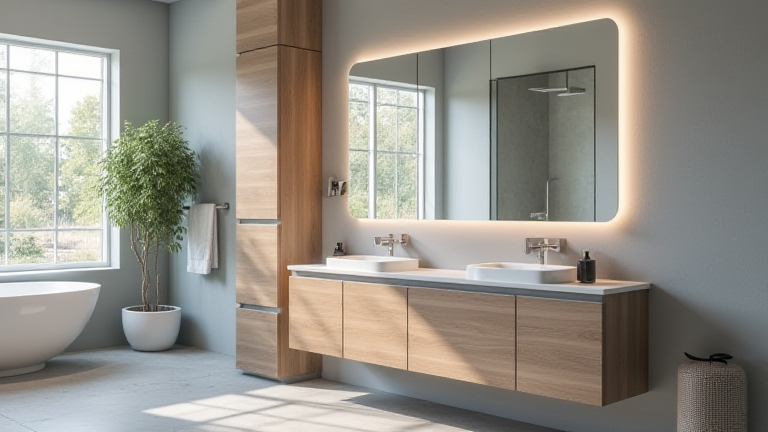
  • The Rise of AI-Powered Smart Mirrors in Modern Bathrooms

    The Rise of AI-Powered Smart Mirrors in Modern Bathrooms

    TL;DR: AI-powered smart mirrors are transforming modern bathrooms by integrating high-resolution porcelain-backed displays with advanced facial recognition and real-time lighting adjustments. This trend drives a significant market shift, with porcelain manufacturers collaborating with tech firms to create durable, aesthetically pleasing surfaces that enhance user experience while protecting sensitive electronics.

    The Convergence of Porcelain and Artificial Intelligence

    The modern bathroom is undergoing a radical technological metamorphosis, moving beyond simple hygiene stations to become personalized wellness hubs. At the forefront of this evolution is the AI-powered smart mirror, a device that is rapidly gaining traction in high-end home decor markets. However, the true innovation lies not just in the software, but in the hardware. The integration of AI with robust porcelain substrates is creating a new category of luxury home decor products that merge durability with digital intelligence.

    If you want to dig deeper, check out our guide on 10 Minimalist Wardrobe Essentials for a Capsule Closet.

    According to recent industry reports, the global smart home market is projected to exceed $200 billion by 2027, with bathroom technology representing a significant and rapidly growing segment. Within this niche, smart mirrors are expected to capture a substantial share, driven by consumer demand for convenience and health monitoring. Market analysts note that the adoption rate has doubled in the last two years, particularly in upscale residential developments. This surge is not merely due to the novelty of technology but is heavily influenced by the material advancements in porcelain home decor. Traditional glass mirrors, while common, lack the structural integrity and thermal resistance required for high-frequency digital integration. Porcelain, known for its resilience against moisture and temperature fluctuations, offers a superior base for these complex devices.

    Expert Insights on Material Synergy

    Industry experts emphasize that the synergy between AI and porcelain is crucial for product longevity. “The challenge was never just about coding the AI,” explains Dr. Elena Ross, a senior materials scientist in home decor. “It is about ensuring the physical housing can withstand the heat from internal components and the humidity of a bathroom environment. Porcelain provides a ceramic-grade stability that glass simply cannot match. By bonding high-definition OLED screens with thin, flexible porcelain layers, manufacturers are creating mirrors that look like traditional porcelain tiles but function as sophisticated computers.” This material choice aligns with the broader trend in porcelain home decor, where consumers seek products that are both visually timeless and technologically advanced. The seamless integration allows the mirror to disappear into the wall, maintaining the clean, minimalist aesthetic that porcelain is renowned for, while still delivering data-rich insights such as skin analysis, water quality checks, and personalized news feeds.

    Future Predictions and Market Trajectory

    Looking ahead, the future of smart mirrors is poised to become even more integrated with the overall home ecosystem. Predictions suggest that by 2030, AI mirrors will not operate in isolation but will communicate directly with other porcelain-based home decor elements, such as smart sinks and vanity units. This interconnectedness will allow for a holistic bathroom experience where lighting, temperature, and air quality are automatically adjusted based on the user’s biometric data. Furthermore, we anticipate a rise in customizable porcelain finishes. Manufacturers are likely to offer various textures and colors for the porcelain frame, allowing homeowners to match their smart mirrors with their existing porcelain tile work. This customization capability will drive further market penetration, as consumers will no longer have to compromise on aesthetic consistency. The market is also expected to see a price reduction as production scales up, making these high-end porcelain-backed smart mirrors accessible to a broader demographic. As the technology matures, the focus will shift from raw processing power to intuitive, unobtrusive user experiences that enhance daily life without overwhelming the user. The rise of AI-powered smart mirrors signifies a pivotal moment where traditional porcelain home decor meets cutting-edge digital innovation, redefining what we expect from our most private living spaces.

    FAQ

    Q: Why is porcelain preferred over glass for AI smart mirrors?
    A: Porcelain offers superior resistance to moisture, heat, and physical impact, which is essential for protecting sensitive AI components in a humid bathroom environment, while also providing a premium aesthetic finish.

    Q: How does AI enhance the functionality of a porcelain-based mirror?
    A: AI enables features such as real-time

    Related Articles

  • Porcelain Home Decor Tutorial: 5 Easy DIY Ideas to Style Your Space

    TL;DR: Elevate your home with these five simple DIY projects that transform standard porcelain pieces into unique decor. You can easily create stunning wall art, personalized table settings, and cozy candle holders using basic supplies and creativity.

    Introduction

    Porcelain is a timeless material that adds elegance and sophistication to any interior. While store-bought items are beautiful, customizing them allows for a personal touch that reflects your unique style. This guide walks you through five manageable projects perfect for beginners and enthusiasts alike. Whether you want to refresh a dining room or add artistic flair to a living area, these ideas provide practical solutions for enhancing your space with ceramic charm. Each project requires minimal tools and can be completed in a single afternoon, making them ideal for weekend crafts or holiday gift-making. Focus on quality materials and careful handling to ensure your finished pieces last for years to come.

    If you want to dig deeper, check out our guide on Here are several SEO-optimized title options, categorized by.

    Idea 1: Painted Plate Wall Art

    Transform old dinner plates into a gallery wall. Clean the plate thoroughly to remove grease. Use acrylic paint designed for ceramics to create abstract designs or floral patterns. Once the paint is dry, seal it with a clear ceramic glaze. Bake the plate in a cold oven preheated to 350 degrees Fahrenheit for thirty minutes to set the paint securely. Arrange the plates in a grid or asymmetrical pattern on your wall using adhesive hooks.

    Idea 2: Personalized Coasters

    Take plain porcelain coasters and make them functional art. Sketch a design lightly with a pencil before painting. Choose themes like monograms, family names, or nature motifs. Apply thin coats of paint to avoid cracking. After painting, apply a waterproof sealant specifically made for ceramics. Allow the sealant to cure completely before using the coasters to protect your furniture from heat and moisture.

    Idea 3: Mosaic Vase Creation

    Create a stunning centerpiece by adding a mosaic pattern to a plain vase. Gather small porcelain shards or tiles in complementary colors. Apply a strong ceramic adhesive to the surface of the vase in manageable sections. Press each piece firmly into place, ensuring tight gaps between tiles. Use a grout pen to fill the spaces between the pieces. Wipe away excess grout with a damp cloth and allow it to dry. Finish with a clear protective spray to seal the grout.

    Idea 4: Candle Holder Accents

    Enhance simple porcelain candle holders with decorative elements. Use hot glue to attach beads, sequins, or small floral charms to the rim of the holder. Choose colors that match your existing decor scheme. For a rustic look, wrap jute twine around the base and secure it with glue. These subtle accents add texture and visual interest to your tables or shelves. They are perfect for creating a warm, inviting atmosphere during dinner parties or quiet evenings at home.

    Idea 5: Stenciled Serving Platters

    Add elegance to your dining table with stenciled platters. Select a large porcelain platter and clean it well. Position a stencil with geometric or botanical patterns. Use a foam brush to apply gold or white paint over the stencil. Tap the brush lightly to ensure even coverage without bleeding. Remove the stencil carefully while the paint is still wet to prevent peeling. Let the platter dry completely before sealing with a clear varnish. This creates a luxurious look for serving desserts or appetizers.

    FAQ

    Q: Is it safe to eat from DIY painted porcelain plates?
    A: No, you should not eat from painted plates unless you use food-safe, lead-free ceramic paints and high-temperature glazes. It is safer to use these pieces strictly for decorative purposes.

    Q: What type of paint is best for porcelain surfaces?
    A: Acrylic paint formulated for ceramics or specialized porcelain enamel paints work best. These paints adhere well to smooth surfaces and withstand baking or sealing processes without flaking.

    Q: How do I clean handmade porcelain decor items?
    A: Clean them gently

    Related Articles