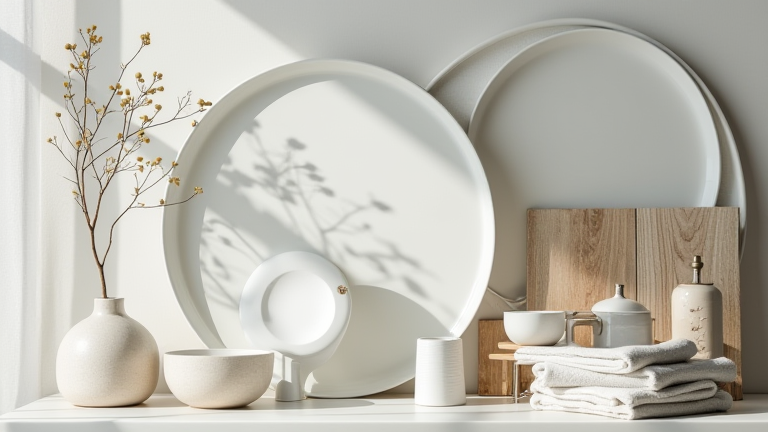
TL;DR: To maintain a toxic-free living space with porcelain decor, select items that are explicitly labeled lead-free and cadmium-free, ensuring they are manufactured under strict safety standards. Prioritize high-quality, properly glazed porcelain pieces to prevent potential leaching of heavy metals into your home environment.
The Hidden Risks of Decorative Porcelain
Porcelain has long been celebrated for its elegance, durability, and timeless aesthetic appeal in home interiors. However, not all porcelain is created equal. While modern manufacturing processes have significantly improved safety, some lower-quality or antique decorative items may contain glazes that include heavy metals such as lead or cadmium. These substances can pose health risks if they leach out, particularly if the porcelain is used for serving food or if dust from chipped pieces enters the air. Understanding the science behind these materials is the first step toward curating a safer home.
If you want to dig deeper, check out our guide on 7 Shopify Store Optimization Fixes to Boost Conversion.
Science-Backed Selection Criteria
When shopping for porcelain vases, plates, or figurines, look for certifications from reputable organizations that test for toxic substances. The FDA and other international bodies set strict limits on lead and cadmium levels in ceramic products. Modern, high-fire porcelain is generally safer than low-fire earthenware because it is fired at higher temperatures, which stabilizes the glaze and reduces the likelihood of chemical migration. Additionally, choose items with a smooth, intact glaze. Any crazing, cracking, or chipping can expose the underlying clay or unsealed glaze, increasing the risk of contamination. Regularly inspect your collection for signs of wear and discontinue use of any damaged pieces immediately.
Lifestyle Tips for Safe Maintenance
Proper cleaning is essential for maintaining a healthy living space. Use mild, non-abrasive detergents to wash porcelain items, avoiding harsh chemicals that might degrade the glaze over time. Store decorative pieces in dry, stable environments to prevent moisture-related damage that could lead to structural failure. For antique or vintage porcelain, consider having them professionally tested by a laboratory that specializes in heavy metal analysis. If you are particularly sensitive to environmental toxins, prioritize purchasing from brands that explicitly state their commitment to non-toxic, lead-free materials. By being proactive about sourcing and maintenance, you can enjoy the beauty of porcelain decor without compromising your health or that of your family. A mindful approach to home decor ensures that your living space remains both aesthetically pleasing and biologically safe.
FAQ
Q: Is all porcelain safe for use in the home?
A: No, not all porcelain is safe; some older or low-quality items may contain lead or cadmium in their glazes, so it is important to verify safety certifications and inspect for damage before use.
Q: How can I tell if my porcelain is lead-free?
A: Look for explicit labeling from the manufacturer stating that the product is lead-free and cadmium-free, or have suspected items tested by a certified laboratory for heavy metal content.
Q: Should I use decorative porcelain for food storage?
A: It is generally safer to use decorative porcelain only for display purposes unless it is specifically rated as food-safe, as decorative glazes may not meet the same rigorous safety standards as tableware.
Leave a Reply