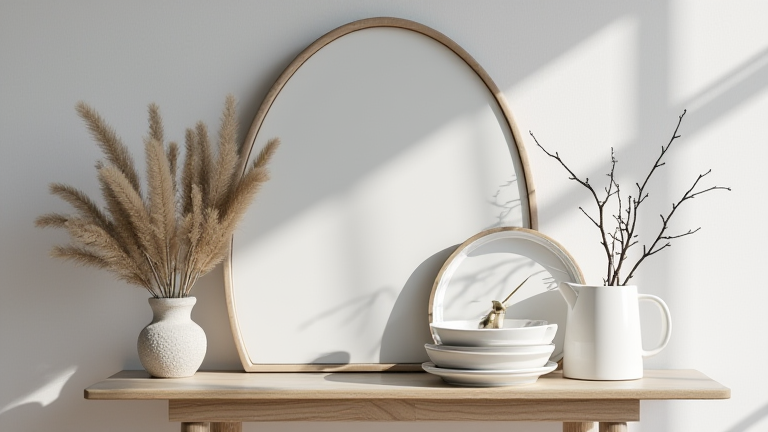
Porcelain Home Decor Tutorial: How to Choose & Style It
TL;DR: Choose porcelain pieces based on cohesive color palettes and varied textures to create visual interest in your living space. Style these durable items by grouping them in odd numbers and balancing their delicate aesthetic with robust furniture elements.
Understanding Porcelain Characteristics
Porcelain is a type of ceramic material known for its white, opaque, and highly durable nature. Unlike standard stoneware, porcelain is fired at much higher temperatures, resulting in a material that is less porous and more resistant to chipping. This durability makes it an excellent choice for long-term home decor, as it can withstand daily use while maintaining its pristine appearance. When selecting pieces, look for a smooth, glass-like finish that reflects light beautifully, adding depth and brightness to any room.
If you want to dig deeper, check out our guide on Porcelain Home Decor Tutorial: 5 DIY Ideas for Elegant Inter.
Selecting the Right Pieces
Begin your selection process by identifying the primary color scheme of your existing interior. Porcelain comes in a vast array of hues, from classic whites and blues to vibrant contemporary tones. To ensure harmony, choose a base color that complements your walls and major furniture pieces. Next, consider the shape and form of the objects. Mix geometric vases with organic, curvy bowls to prevent the space from feeling too rigid. It is also crucial to inspect the quality of the glaze. A high-quality porcelain piece will have a uniform color and no visible pinholes or cracks under the glaze. Always check the weight; genuine porcelain should feel dense and substantial, not hollow or lightweight like lower-grade ceramics.
Styling Techniques for Impact
Once you have curated your collection, the next step is strategic placement. Use the rule of thirds when arranging items on shelves or mantels. Place larger pieces at the back and smaller ones in the front to create a sense of depth. Grouping porcelain items in odd numbers, such as three or five, is a classic design principle that creates a more natural and visually pleasing composition than even numbers. For example, place a large statement vase on the floor next to a sofa, and then add two smaller matching bowls on a nearby side table. This creates a visual connection between different areas of the room.
Maintenance and Care Tips
While porcelain is durable, it is not indestructible. Handle all pieces with clean, dry hands to avoid transferring oils that can dull the glaze over time. For cleaning, use a soft, damp cloth and mild dish soap. Avoid abrasive scrubbers or harsh chemical cleaners, as these can scratch the surface or degrade the glaze. If a piece becomes chipped, consider repairing it with a clear ceramic adhesive to prevent further damage, or repurpose the fragment into a small planter or jewelry dish. Proper care ensures that your porcelain decor remains a beautiful focal point for years to come.
FAQ
Q: Is porcelain safe to use for dining tables?
A: Yes, high-quality porcelain is generally safe for dining, but it is best reserved for decorative serving pieces rather than daily use to avoid potential chipping from heavy silverware.
Q: How can I make white porcelain look less stark?
A: Pair white porcelain with warm wood tones or textured fabrics like linen and wool to add warmth and contrast to the cool, clean lines of the ceramic.
Q: Can I paint porcelain decor myself?
A: You can use specialized ceramic paints to customize pieces, but you must bake the item in an oven according to the paint instructions to ensure the color becomes permanent and food-safe if applicable.
Leave a Reply