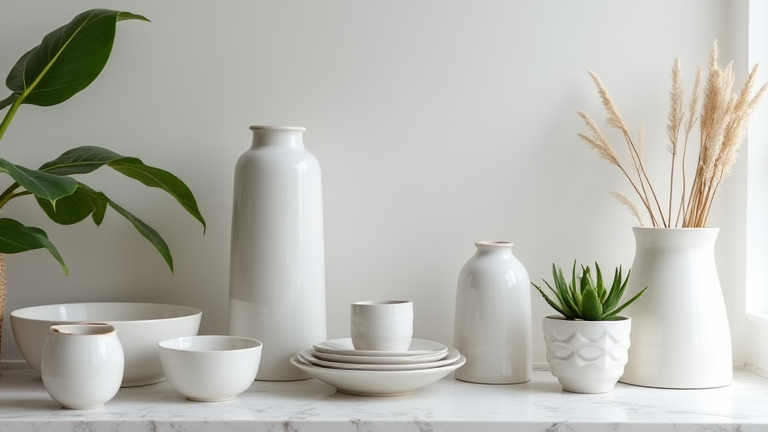
TL;DR: Curate a balanced collection of porcelain vases, figurines, and tableware to create elegant focal points throughout your home. Use varied heights and textures to add visual interest while maintaining a cohesive color palette for a sophisticated look.
Step 1: Assess Your Space and Style
Before purchasing any items, analyze the rooms you wish to decorate. Porcelain is versatile but delicate, so it works best in living rooms, dining areas, and entryways. Determine your primary color scheme. Porcelain often features glossy finishes and intricate patterns, so choose pieces that complement your existing furniture and wall colors. If your home features neutral tones, bold porcelain accents can serve as striking statement pieces. If your decor is already busy, opt for minimalist white or monochromatic porcelain items to avoid visual clutter. Consider the lighting in the room as well; natural light enhances the translucency of fine porcelain, while warm artificial lighting can highlight gold or metallic accents.
If you want to dig deeper, check out our guide on Elevate Your Home: 10 Timeless Porcelain Decor Ideas.
Step 2: Select the Right Pieces
Begin with foundational pieces such as vase sets or a complete dinnerware set. For vertical interest, select vases of varying heights. Tall, slender vases draw the eye upward, while shorter, rounded forms ground the space. Figurines and small sculptures add personality and narrative to shelves and mantels. When choosing tableware, ensure the pieces are microwave and dishwasher safe for everyday use, reserving more delicate heirloom pieces for special occasions. Look for quality indicators such as even glazing, no cracks, and smooth edges. Consider buying from reputable artisans or brands known for durability. Mix and match patterns sparingly; if you use patterned plates, keep the side dishes solid, or vice versa, to maintain harmony.
Step 3: Strategic Placement and Grouping
Effective styling relies on the rule of odd numbers. Group porcelain items in threes or fives to create a natural, dynamic arrangement. On a coffee table, place a tall vase in the center with two smaller figurines flanking it. On a bookshelf, intersperse porcelain books with real books to prevent the display from looking like a museum exhibit. Use risers or small stacks of magazines to elevate lower items, creating layered depth. In the dining room, set the table with care. Align plates precisely and ensure cutlery is evenly spaced. Add a centerpiece using a long, low porcelain bowl filled with flowers or seasonal fruits. Ensure that no piece is placed where it might be easily knocked over by high traffic or pets. Safety is paramount, so keep fragile items away from edges of tables or unstable surfaces.
Step 4: Maintenance and Care
Porcelain requires gentle handling to maintain its beauty. Dust items regularly with a soft, dry cloth to prevent buildup that can scratch the glaze. When cleaning, use warm water and mild dish soap. Avoid abrasive scrubbers or harsh chemicals that can damage the surface. Dry each piece immediately to prevent water spots. Store unused pieces in padded boxes or on shelves with soft liners to protect them from chipping. Inspect your collection periodically for hairline cracks, which can weaken the structure over time. Proper care ensures that your porcelain decor remains a stunning feature of your home for years to come, blending timeless elegance with modern living.
FAQ
Q: How do I mix modern and traditional porcelain styles?
A: Balance is key. Pair a sleek, contemporary white vase with a vintage figurine or antique patterned plate. Use a unifying color thread, such as gold accents or a consistent neutral background, to tie the disparate eras together seamlessly.
Q: Is porcelain too fragile for homes with children or pets?
A: Not necessarily. Choose sturdy, lead-free porcelain for daily use. Keep highly decorative or antique pieces on higher, secure shelves or in glass-fronted cabinets. Designate lower, sturdy items for interactive display areas where they are less likely to be bumped.
Q: What is the best way to display a large collection of porcelain?
A: Use dedicated display shelves or wall-mounted niches. Organ
Leave a Reply