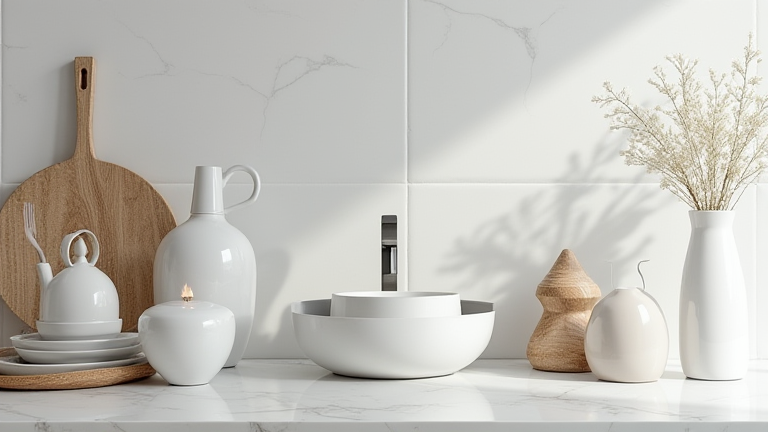
TL;DR: Style porcelain decor by mixing matte and glossy finishes, anchoring pieces with negative space, and using height variation. DIY ideas include hand-painting plain bisque, decoupaging with gold leaf, and repurposing chipped vases as succulent planters.
Step 1: Curate a Cohesive Palette
Start with a base of white, cream, or soft grey porcelain. Then, add one accent color (e.g., cobalt blue, sage green) for 70% of your pieces. Reserve one statement piece—like a hand-painted ginger jar—for visual contrast. Avoid clashing patterns; stick to floral, geometric, or solid finishes per shelf.
Step 2: Master the Rule of Three
Group porcelain items in odd numbers. Place a tall floor vase, a medium lidded urn, and a small trinket dish together. Vary heights by using stackable books or a wooden riser under one piece. Keep at least 3 inches of empty space between objects to let each silhouette breathe.
Step 3: Mix Textures & Finishes
Pair glossy porcelain with matte stoneware or a brushed brass tray. For a DIY upgrade, use a soft sponge to dab on matte ceramic paint over a glossy glaze—this creates a subtle two-tone effect. Add a linen runner or jute placemat beneath clusters to soften the hard surface.
Step 4: DIY Hand-Painted Accents
Buy plain white porcelain (vase, mug, or plate). Clean with rubbing alcohol, then sketch a simple design with a pencil. Use a porcelain paint pen (oil-based) to trace lines, dots, or leaves. Let dry 24 hours, then bake at 300°F for 30 minutes to set. Do not microwave or dishwasher-wash these pieces.
Step 5: Repurpose Damaged Items
Turn a chipped teapot into a mini herb planter: drill a drainage hole, add pebbles, and plant succulents. For a cracked bowl, fill the crack with gold-tinted epoxy resin—this creates a “kintsugi” look. Seal the resin with clear matte varnish after curing.
Step 6: Style by Room Function
In the living room, place a porcelain lion or horse on a coffee table tray. In the bathroom, use a small porcelain soap dish and a lidded jar for cotton balls. In the kitchen, display a porcelain bread cloche on open shelving—it doubles as functional decor.
Step 7: Seasonal Swaps
Rotate accent pieces quarterly. For spring, add pastel porcelain eggs in a shallow bowl. For winter, swap in navy and white snowflake plates. Store off-season items in acid-free tissue paper inside a lidded bin to prevent chipping.
FAQ
Q: Can I put porcelain decor outdoors?
A: Only if the piece is frost-proof (labeled “outdoor porcelain”). Most decorative porcelain is not; keep it indoors or in a covered porch to avoid cracking.
Q: How do I clean antique porcelain without damaging the glaze?
A: Use a soft, damp microfiber cloth with a drop of mild dish soap. Never use abrasive scrubbers or bleach. For dust inside a vase, use a dry paintbrush to sweep it out.
Q: What’s the safest way to hang a porcelain plate on a wall?
A: Use a plate hanger with adjustable wire arms, but place a felt pad between the wire and the plate’s rim. Avoid adhesive hooks—they can pull glaze off. Hang at eye level, away from direct sunlight to prevent fading.
Leave a Reply