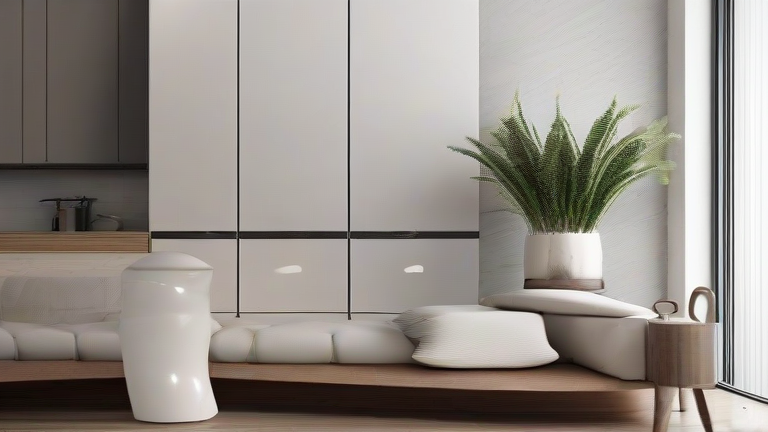
Healthy Home: Why Porcelain Decor Improves Indoor Air
TL;DR: Porcelain decor significantly improves indoor air quality by eliminating the volatile organic compounds (VOCs) and off-gassing associated with porous synthetic materials. Its non-porous, inert surface prevents the absorption of moisture, thereby inhibiting the growth of mold, mildew, and bacterial colonies that degrade air purity.
The Science of Inert Surfaces
Indoor air quality is often compromised not just by external pollutants, but by internal sources known as indoor air pollutants. Many common home decor items, such as plastic vases, painted wooden ornaments, or synthetic fabrics, release VOCs like formaldehyde and benzene. These chemicals evaporate at room temperature, contributing to respiratory irritation and fatigue. Porcelain, however, is a ceramic material fired at extremely high temperatures, resulting in a vitrified, glass-like surface. This process creates a material that is chemically inert and non-porous. Unlike wood or unglazed ceramics, porcelain does not trap dust mites or allergens within its fibers. Because it does not absorb water, it cannot provide the damp environment necessary for mold spores to germinate and spread. This fundamental physical property makes porcelain an ideal choice for creating a healthier living environment.
If you want to dig deeper, check out our guide on 10 Stunning Porcelain Home Decor Ideas to Elevate Your Space.
Lifestyle Tips for a Cleaner Atmosphere
Integrating porcelain into your home is a simple yet effective strategy for reducing biological and chemical pollutants. First, replace porous decorative items in high-humidity areas, such as bathrooms and kitchens, with porcelain counterparts. Porcelain tiles, sinks, and decorative bowls in these spaces resist moisture absorption, preventing the hidden growth of mold that often goes unnoticed in grout lines or porous stone. Second, use porcelain vases for fresh flowers. Unlike plastic or glazed pottery, which may trap moisture at the base, high-quality porcelain allows for easy cleaning and does not harbor bacterial biofilms. Regularly washing these items with mild soap ensures that no residue builds up, maintaining their air-purifying neutrality. Additionally, consider using porcelain tableware and decorative accents in the dining room. By minimizing the use of plastic containers and synthetic placemats, you reduce the number of microplastics and chemical residues that can migrate into your living space. This holistic approach to material selection supports a cleaner, fresher indoor atmosphere.
Maintenance for Maximum Air Quality
To maintain the air-quality benefits of porcelain decor, consistent maintenance is essential. Dust porcelain surfaces regularly with a damp microfiber cloth to capture particulate matter without spreading it through the air. Avoid using harsh chemical cleaners, which can reintroduce VOCs into your home. Instead, stick to pH-neutral cleaners that effectively remove grime without leaving a chemical residue. By choosing durable, non-toxic materials like porcelain, you are making a long-term investment in your family’s respiratory health. The smooth, sealed surface of porcelain means that allergens are not embedded deep within the material, allowing for a more thorough and hygienic cleaning process. This simplicity in care supports a sustainable lifestyle focused on well-being. Embracing porcelain decor is not just an aesthetic choice; it is a practical step toward a healthier, cleaner home environment that promotes overall wellness and comfort for everyone who lives there.
FAQ
Q: Does porcelain absorb odors from the kitchen or bathroom?
A: No, porcelain is non-porous and does not absorb liquids or odors, making it highly resistant to smell retention compared to wood or unglazed ceramic.
Q: Is porcelain safe for households with allergy sufferers?
A: Yes, because porcelain does not harbor dust mites, mold, or pet dander within its structure, it is an excellent hypoallergenic choice for home decor items.
Q: How does porcelain compare to natural stone in terms of air quality?
A: Porcelain generally outperforms natural stone in air quality because it is less porous, requiring fewer sealing agents that can sometimes off-gas volatile compounds.
Leave a Reply