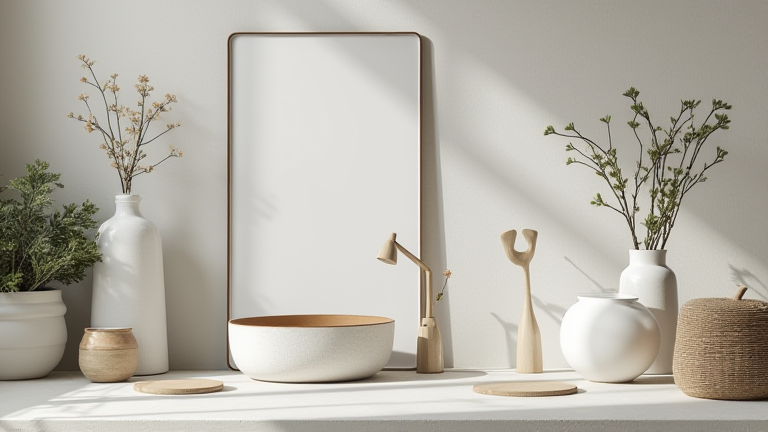
TL;DR: Timeless porcelain decor transforms daily rituals into mindful moments, merging durability with artistic heritage. By curating heirloom-quality pieces, you infuse your home with slow-living culture and personal narrative, not just aesthetics.
Why Porcelain Belongs in a Modern, Travel-Inspired Home
In an age of mass-produced minimalism, porcelain stands as a quiet rebel. Unlike trendy resin or fleeting plastic, porcelain carries the memory of kiln fires and the hands of artisans—whether from Jingdezhen, Limoges, or Delft. When you place a hand-thrown porcelain bowl on your entryway table, you’re not just decorating; you’re inviting a piece of global culture into your daily orbit. Every chip or glaze variation tells a story of travel, trade, and tradition. This is the antithesis of disposable living. By choosing porcelain, you slow down, favoring objects that age gracefully and ask you to handle them with intention—a small, daily meditation on care.
If you want to dig deeper, check out our guide on Why Every Brand Is Rushing to Launch AI-Powered Chatbots.
Everyday Rituals, Elevated by Texture and Tone
Start with the objects you touch most. Swap your ceramic mug for a porcelain teacup with a whisper-thin rim; notice how the heat transfers differently, how the sip becomes an event. Use a large porcelain platter as a catch-all for keys and mail—its glossy surface reflects morning light, turning clutter into a still-life composition. For food lovers, porcelain’s non-porous glaze means no flavor ghosts; a single plate moves from citrus-dressed salad to warm chocolate cake without argument. Culturally, porcelain has long symbolized purity and prosperity—placing it in your dining room or bedroom anchors your space in that legacy. Personal growth follows: each time you choose the fragile-but-strong object over the shatterproof plastic, you practice patience and appreciation for imperfection.
Curating a Collection That Tells Your Story
Don’t buy a matching set. Instead, hunt for single pieces at flea markets, vintage shops, or artisan fairs during your travels. A cobalt-blue ginger jar from a Lisbon market, a white fluted vase from a Kyoto studio—these become conversation starters and memory anchors. Display them on open shelving or a mantel, mixing centuries-old patterns with modern neutrals. The key is restraint: let each piece breathe. Use a small porcelain dish to hold your rings at night; the ritual of placing them there becomes a grateful end-of-day gesture. Over time, your collection becomes a tactile autobiography—one that outlasts trends and quietly teaches you that beauty, like porcelain, is both delicate and enduring.
FAQ
Q: Is porcelain decor too fragile for homes with kids or pets?
A: Not if you choose wisely—opt for stoneware-like porcelain (fired higher) and place decorative pieces on high shelves; daily-use mugs and bowls are surprisingly tough, and a chip adds character, not ruin.
Q: How do I clean and maintain vintage porcelain without damaging it?
A: Hand-wash with mild soap and warm water, avoid abrasive scrubbers, and never use the microwave on pieces with metallic luster; occasional gentle dusting with a soft cloth preserves the glaze’s glow.
Q: Can I mix porcelain with rustic or industrial decor styles?
A: Absolutely—the contrast is striking; pair a delicate porcelain vase with raw wood or black steel, and let the porcelain’s luminosity soften hard edges, creating layered, lived-in warmth.
Leave a Reply