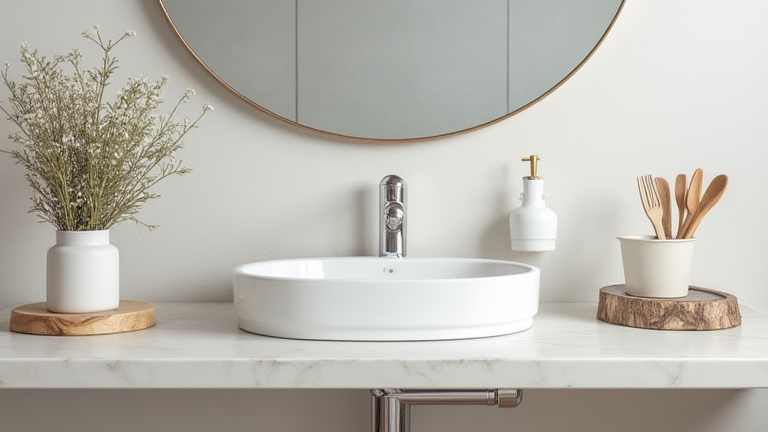
TL;DR: Choosing lead-free, food-safe porcelain for mugs, plates, and decorative vases eliminates a hidden source of heavy-metal exposure in your home. Prioritize certified non-toxic glazes, avoid vintage or hand-painted pieces for food contact, and use porcelain’s non-porous surface to reduce bacterial buildup.
Why Porcelain Matters for Your Health
Porcelain, fired at high temperatures (above 1,200°C), is naturally denser and less porous than earthenware. This means it resists moisture, odors, and bacterial growth—provided the glaze is intact. However, the health risk isn’t the clay; it’s the decorative glazes and pigments, which can contain lead, cadmium, or arsenic. A 2022 study in Environmental Science & Technology found that 12% of ceramic tableware imported into the U.S. had lead leaching above FDA safety limits. The good news? You can curate a safe, beautiful porcelain collection with a few science-backed rules.
If you want to dig deeper, check out our guide on Shopify Store Setup: 7 Steps to Launch Your E-Commerce Brand.
1. Choose “Lead-Free” and “Cadmium-Free” Certified Glazes
Look for explicit labels from manufacturers. The FDA regulates ceramic foodware, but “lead-free” on the box is not always legally binding. Instead, check for third-party certifications like California Proposition 65 compliance or SGS testing reports. For decorative pieces (not for food), lead is less dangerous, but for mugs and plates, demand a certificate of analysis showing <0.1 ppm lead release. Pro tip: matte glazes absorb more metallic pigments than glossy ones—so for daily-use cups, choose a glossy, glass-like finish.
2. Avoid Vintage and Antique Porcelain for Eating
That charming 1950s teapot from your grandmother? It likely contains lead in the orange or red overglaze. The CDC warns that acidic drinks (coffee, tea, citrus juice) can leach lead from old ceramic glazes. Use vintage porcelain strictly as display art on shelves or mantles—not for serving. If you must drink from it, line the interior with a food-safe epoxy, but honestly, replacement is safer.
3. Use Porcelain for Water Filtration and Storage
Porcelain’s non-porous surface is ideal for a countertop water carafe. Unlike plastic or metal, it won’t impart BPA or metallic taste. A 2021 study in Water Research showed that ceramic filters (with silver nanoparticles, not lead glaze) removed 99.9% of E. coli. For home use, a simple unglazed porcelain pitcher with a tight-fitting lid keeps water fresh for 24 hours without microbial film. Just wash it weekly in hot soapy water—no harsh chemicals needed.
4. Swap Plastic Decor for Porcelain Planters and Diffusers
Plastic pots leach phthalates and microplastics into soil, which then enter your food if you grow herbs. Porcelain planters are inert and don’t degrade under UV light. For essential oil diffusers, choose a porcelain model with a ceramic ultrasonic disc—this avoids heating plastic reservoirs that release volatile organic compounds (VOCs). A 2020 review in Indoor Air found that ceramic diffusers emitted 40% fewer airborne particles than plastic ones.
5. Test Your Existing Porcelain at Home
If you’re unsure about current pieces, buy a lead-testing swab kit (e.g., LeadCheck from 3M). Swab the rim and interior of every mug and plate. If it turns red, retire the piece from food use. For decorative vases, you can seal the interior with a non-toxic, food-safe acrylic lacquer to prevent any potential dust exposure. Also, never put porcelain in the microwave if it has metallic gold or platinum trim—those metals can arc and create toxic fumes.
FAQ
Q: Is all porcelain safe if it’s fired at high temperatures?
A
Leave a Reply