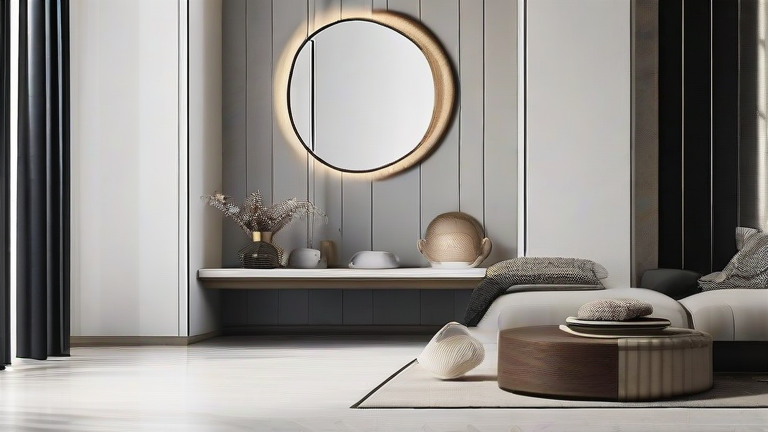
TL;DR: Timeless porcelain decor transforms a house into a curated sanctuary by blending durability with artistic heritage. Focus on sculptural vases, hand-painted dinnerware, and subtle ceramic accents that echo global craftsmanship rather than fleeting trends.
The Art of Slow Living, Fired in Clay
Porcelain is not just a material—it is a travelogue of human civilization. From the kilns of Jingdezhen to the ateliers of Limoges, each piece carries the fingerprints of centuries. When you bring porcelain into your home, you are not decorating; you are collecting stories. The current trend toward “quiet luxury” aligns perfectly with porcelain’s understated elegance. Unlike plastic or mass-produced glass, porcelain ages gracefully, developing a patina of use that feels like a personal history. Start by replacing your everyday ceramic mugs with a set of thin-walled, hand-thrown porcelain cups. The tactile weight and the way they warm in your hands will slow your morning ritual, turning coffee into a meditation.
If you want to dig deeper, check out our guide on Timeless Elegance: How Porcelain Home Decor Elevates Your Li.
Curating a Global Palette
Travel inspires the best interiors, but you don’t need a passport to achieve that cultured look. Invest in a large, matte-white porcelain floor vase with a crackle glaze—place it in an empty corner with a single dried branch of olive or pampas grass. This nod to Japanese *wabi-sabi* invites imperfection and asymmetry. For dining, mix and match porcelain plates with cobalt blue underglaze patterns (think Delft or Persian influences) against plain white stoneware. The contrast creates a visual rhythm that feels both eclectic and intentional. Don’t hide your porcelain in cabinets; display it on open shelves or a sideboard. A collection of small porcelain boxes—lid and all—can hold jewelry, but their true purpose is to catch light and spark conversation.
Personal Growth Through Daily Rituals
Porcelain also teaches patience. A hand-painted teacup or a delicate porcelain spoon rest reminds you to slow down, to handle objects with care, and to appreciate the fleeting nature of beauty. Use a porcelain incense holder on your desk; the smoke curling over the glossy surface becomes a visual anchor for deep work. On weekends, host a low-stakes “porcelain tea ceremony” for friends—not formal, just mindful. Serve matcha in small, unglazed porcelain bowls. The act of washing, warming, and passing these fragile objects builds a quiet discipline that spills into your broader life. You learn that durability isn’t about being unbreakable; it’s about being worth the care.
FAQ
Q: How do I clean porcelain without damaging the glaze?
A: Use warm water, a soft sponge, and mild dish soap. Avoid abrasive scrubbers and sudden temperature changes (e.g., hot water on a cold plate). For stubborn stains, make a paste of baking soda and water, then rinse thoroughly.
Q: Can I use porcelain decor outdoors?
A: Yes, but only frost-proof porcelain (labeled as such) for planters or garden art. Keep indoor decorative vases away from direct, prolonged sunlight to prevent glaze fading. For outdoor use, bring pieces inside during freezing winters.
Q: Is porcelain decor worth the higher price compared to ceramic?
A: Generally, yes. Porcelain is fired at higher temperatures, making it denser, more chip-resistant, and less porous than standard ceramic. It also holds finer detailing and a brighter, translucent whiteness. For heirloom pieces you’ll use daily, the cost per decade of beauty justifies the premium.
Leave a Reply