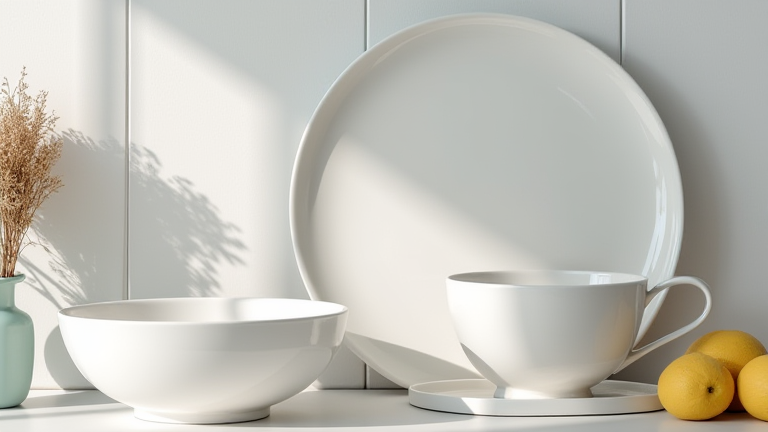
TL;DR: Porcelain pieces with certified lead-free, cadmium-free glazes and low-porosity surfaces do not off-gas volatile organic compounds (VOCs), unlike many plastics or treated woods, making them a safe choice for better indoor air. Choose unglazed or food-safe glazed porcelain from reputable brands and avoid hand-painted items with unknown finishes to minimize airborne toxins.
Why Porcelain Beats Plastic and Treated Wood
Most indoor air pollution comes from synthetic materials—vinyl, particleboard, and polyurethane foams—that release VOCs like formaldehyde and benzene for years. Porcelain, fired at over 2,300°F, undergoes vitrification, a process that fuses silica and clay into a non-porous, chemically inert surface. This means it cannot absorb or re-emit household chemicals, and it doesn’t require sealants, varnishes, or adhesives that contribute to “sick building syndrome.” A 2021 study in *Indoor Air* found that ceramic and porcelain surfaces had negligible VOC emission rates compared to engineered wood, reinforcing their role in low-toxin homes.
If you want to dig deeper, check out our guide on How Porcelain Home Decor Boosts Your Health & Well-Being.
5 Safe Porcelain Pieces to Elevate Your Air Quality
1. Unglazed Porcelain Vases (Minimalist or Raku Finish)
Unglazed porcelain has a matte, stone-like texture. Because there’s no glaze, there’s zero risk of lead or cadmium leaching from decorative finishes. Use them as dry floral vases or sculptural centerpieces. *Tip:* Avoid any vase with a shiny, brightly colored interior—those glazes often contain metal oxides.
2. Food-Safe Glazed Dinnerware (White or Soft Earth Tones)
Choose plates and bowls marked “lead-free” and “cadmium-free” by the manufacturer (e.g., brands like Fiestaware’s new line, or Japanese Hasami). White or cream glazes are safest because colored pigments—especially red, orange, and yellow—historically used heavy metals. Even if not used for food, displayed dinnerware can chip, releasing fine dust. Low-fire glazes are more porous; opt for high-fire stoneware or porcelain.
3. Porcelain Diffuser Beads (Unglazed, Unglazed Interior)
Small, unglazed porcelain beads placed in a bowl can absorb water and essential oils without chemical binders. Unlike plastic diffusers, they won’t degrade or off-gas phthalates. Clean them weekly by rinsing with hot water and air-drying—this prevents mold, which also degrades indoor air.
4. Solid Porcelain Candle Holders (Frosted or Sandblasted)
If you burn candles, the holder matters. Porcelain with a sandblasted, non-glossy finish won’t release micro-particles when heated. Avoid holders with metallic trim—gold or platinum paints can contain lead. Use them with beeswax or soy candles to avoid paraffin’s benzene and toluene emissions.
5. Porcelain Wall Tiles (Glazed, Matte White)
As decor, install a single accent wall or backsplash with large-format porcelain tiles. They are non-porous, so they don’t harbor dust mites or mold spores like fabric wall panels. Choose a matte glaze, as high-gloss glazes may contain lead in older batches. Seal the grout with a low-VOC, water-based sealant.
Lifestyle Tips for Maximum Air Quality
Keep porcelain pieces dust-free with a damp microfiber cloth—dry dusting kicks particles into the air. Avoid placing porcelain near heat vents or radiators; rapid temperature changes can cause micro-cracks that trap allergens. For decorative pieces, wash them once a month with white vinegar and water to eliminate any surface residues. Finally, verify your porcelain’s origin: European and Japanese brands have stricter heavy-metal regulations than some imported decorative items. Request a certificate of analysis from the seller if you’re buying handcrafted pieces.
Leave a Reply