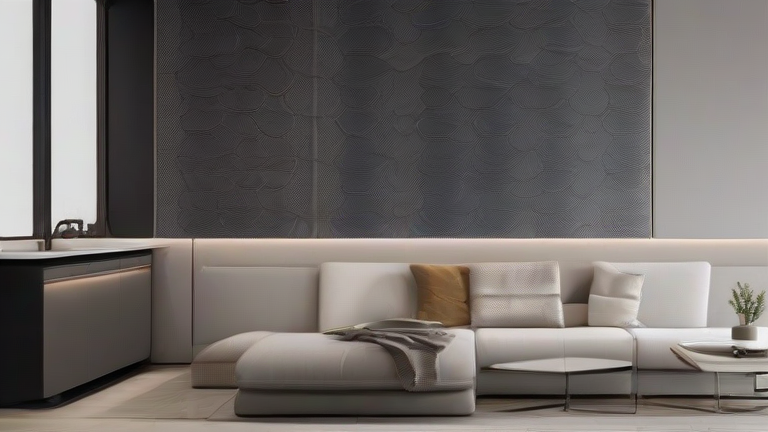
Elevate Home Decor: Top Porcelain Tech Trends
TL;DR: Modern porcelain home decor is redefining interior aesthetics through advanced 3D ceramic printing and AI-driven design customization. These technologies enable mass production of intricate, sustainable, and personalized ceramic items that were previously impossible to create manually.
The Renaissance of Ceramic Manufacturing
The intersection of traditional craftsmanship and cutting-edge technology is transforming how we view porcelain in our homes. No longer limited to simple mugs or plates, porcelain is becoming a dynamic medium for architectural elements, lighting fixtures, and sculptural art. The latest developments focus on precision, sustainability, and user interaction, leveraging materials science to push the boundaries of what clay and glaze can achieve.
If you want to dig deeper, check out our guide on Porcelain Decor Health Benefits: Safe, Non-Toxic & Dust-Free.
3D Ceramic Printing: Precision at Scale
One of the most significant shifts in the industry is the adoption of high-resolution 3D ceramic printing. Unlike standard 3D printing, which often requires post-processing to remove support structures, modern ceramic printers utilize green body materials that are sintered at extremely high temperatures. This process allows for the creation of complex geometries with tolerances as small as 0.1 millimeters. Manufacturers are now producing intricate lattice structures and organic forms that mimic natural growth patterns. The specifications for these machines are impressive, with build volumes expanding to accommodate large-scale furniture components. This technology reduces material waste by up to 40 percent compared to traditional molding, aligning with global sustainability goals while offering designers unparalleled creative freedom.
Smart Glazes and Interactive Surfaces
Beyond form, the surface of porcelain is evolving. New developments in smart glazes incorporate photovoltaic cells and conductive inks directly into the ceramic matrix. This allows porcelain tiles and decorative panels to harvest solar energy or serve as touch-sensitive interfaces for smart home systems. For instance, a porcelain countertop can double as a charging station or a display for ambient data. The industry impact is profound, as these products bridge the gap between passive decor and active smart home infrastructure. Specifications for these smart ceramics include high durability ratings and resistance to thermal shock, ensuring they remain functional and aesthetically pleasing under daily use. The integration of IoT sensors within porcelain structures also enables real-time monitoring of humidity and temperature, making these items both decorative and practical for home health management.
AI-Driven Customization and Mass Personalization
Artificial intelligence is revolutionizing the design phase of porcelain production. AI algorithms can analyze a user’s existing interior style, color palette, and spatial constraints to generate unique porcelain designs. This mass personalization allows consumers to order bespoke items that fit their specific aesthetic needs without the high cost of traditional custom artisan work. The technology processes millions of design variables to ensure structural integrity while maximizing visual appeal. Industry reports indicate a 25 percent increase in consumer engagement with personalized ceramic products, signaling a shift away from uniform, mass-produced goods. This trend empowers homeowners to create unique focal points in their living spaces, fostering a deeper connection between the inhabitant and their environment.
Industry Impact and Future Outlook
The convergence of these technologies is reshaping the supply chain for home decor. Factories are transitioning from labor-intensive manual operations to automated, data-driven production lines. This shift reduces lead times and allows for just-in-time manufacturing, reducing inventory costs. Furthermore, the use of recycled porcelain dust in the 3D printing process is creating circular economies within the industry. As these technologies mature, we can expect porcelain to become a central material in smart home design, offering beauty, functionality, and sustainability in equal measure. The future of home decor is not just about looking good; it is about performing well and adapting to the needs of the user.
FAQ
Q: Are 3D printed porcelain items as durable as traditionally fired ceramics?
A: Yes, when properly sintered at high temperatures, 3D printed porcelain achieves comparable density and strength to traditional methods, often with improved structural consistency.
Q: Can smart porcelain surfaces be integrated with existing smart home systems?
A: Most modern smart porcelain products support standard Wi-Fi and
Leave a Reply