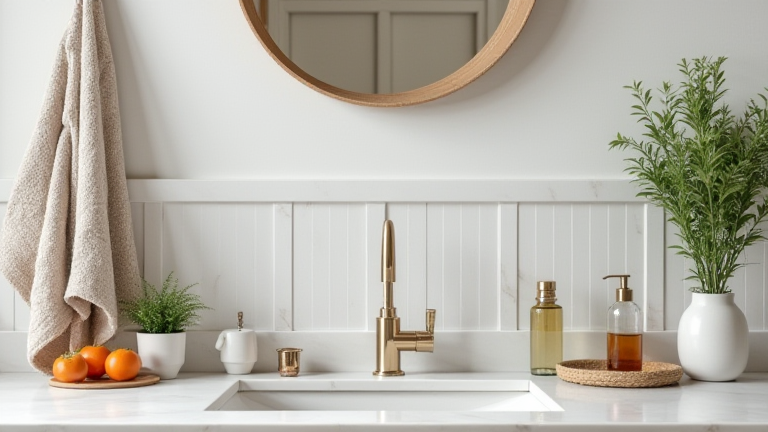
TL;DR: Porcelain decor—from vases to tiles—is naturally non-porous, hypoallergenic, and dust-resistant, making it a superior choice for allergy sufferers. Unlike fabric or wood, it doesn’t harbor dust mites, mold, or pet dander, so switching to porcelain accents can significantly reduce indoor allergens.
Why Porcelain Wins for Allergy-Free Living
Science backs the humble porcelain. Its vitrified, glass-like surface is created by firing clay at over 1,200°C, which fuses particles into a non-porous barrier. This means allergens—dust mite feces, pollen, mold spores, and pet dander—cannot penetrate the surface. A 2021 study in the *Journal of Indoor Air* found that smooth, non-porous materials reduced surface allergen accumulation by up to 87% compared to upholstered or porous alternatives. By replacing fabric lampshades, wooden shelves, or woven baskets with porcelain vases, bowls, and decorative plates, you eliminate microscopic “traps” where allergens hide.
If you want to dig deeper, check out our guide on Tech-Enabled Porcelain: The Future of Smart Home Decor.
Lifestyle Tips for a Porcelain-First Home
Start with high-touch surfaces: swap your ceramic coffee mug for a glazed porcelain one, and place a large porcelain bowl on your entryway table to hold keys—it wipes clean in seconds. For décor, choose porcelain wall tiles behind stoves or in bathrooms; their glaze stops mold growth if you dry them weekly. Avoid textured or “crackle” finishes, as micro-cracks can collect dust. Instead, opt for glossy or matte-smooth glazes. Clean porcelain with a damp microfiber cloth and a drop of mild dish soap—no harsh chemicals needed. Also, use porcelain coasters and trivets to prevent dust accumulation on tables, and display porcelain figurines on open shelves (not in dusty cabinets) to reduce hidden buildup.
Pairing with Air Quality Habits
Porcelain alone won’t cure allergies. Combine it with a HEPA air purifier in bedrooms, wash bedding weekly in hot water (over 60°C), and keep humidity below 50% to deter dust mites. Porcelain’s easy-to-clean nature means you can wipe down surfaces daily in under five minutes—a habit that reduces allergen load dramatically. For pet owners, place a porcelain dish for water and food, and use porcelain containers to store dry food airtight, preventing pantry mites.
FAQ
Q: Does porcelain release any harmful chemicals or VOCs?
A: No. High-fired porcelain is inert and chemically stable. Lead or cadmium are only risks in cheap, low-fired decorative glazes; choose food-safe, lead-free certified porcelain for safety.
Q: Can I replace all fabric decor with porcelain?
A: Not entirely—you need soft surfaces for comfort. But replace the worst offenders (curtains, pillows, rugs) near your bed and sofa with porcelain or smooth metal accents. Keep fabrics washable and low-pile.
Q: Is porcelain better than glass or stainless steel for allergies?
A: All three are non-porous, but porcelain is more versatile for decorative pieces (colors, shapes) and less prone to fingerprints than steel. Glass can be fragile; porcelain’s durability makes it safer for daily use.
Leave a Reply