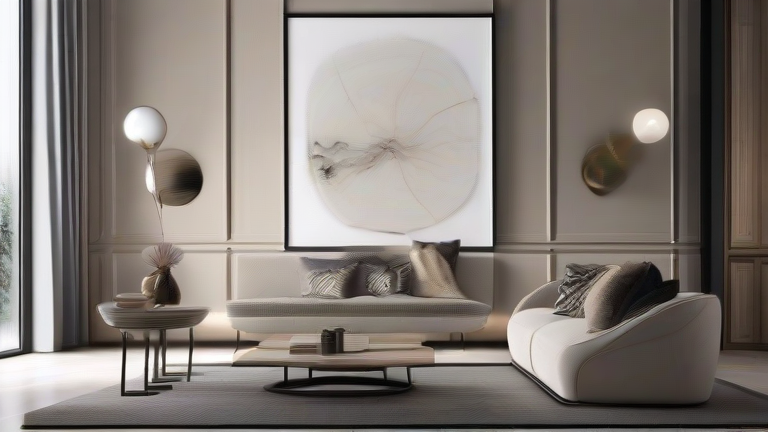
TL;DR: The global home decor market is shifting toward sustainable, high-quality materials, making porcelain a prime candidate for premium positioning. Businesses can capitalize on this trend by focusing on artisanal craftsmanship and digital storytelling to differentiate their porcelain collections in a saturated marketplace.
Market Analysis: The Resurgence of Porcelain
The contemporary interior design landscape is undergoing a significant transformation, moving away from mass-produced, disposable goods toward items that offer longevity and aesthetic value. Porcelain, historically associated with luxury and elegance, is experiencing a renaissance. Current market data indicates a steady growth in the home decor sector, with a particular surge in demand for handcrafted ceramics. Consumers are increasingly prioritizing “quiet luxury,” a trend that favors subtle sophistication over ostentatious displays. Porcelain fits this narrative perfectly, offering a clean, timeless aesthetic that complements both minimalist and eclectic interior styles. Furthermore, the rise of remote work has expanded living spaces into multifunctional hubs, driving demand for decorative accents that enhance ambiance and productivity. The global market for home furnishings is projected to grow significantly over the next five years, with porcelain and ceramic products representing a robust segment due to their perceived value and durability.
If you want to dig deeper, check out our guide on Elevate Your Home: Timeless Porcelain Decor Ideas.
Strategy Insights: Positioning for Premium Value
To succeed in this competitive environment, businesses must adopt a strategic approach that emphasizes origin and craftsmanship. First, provenance is key. Customers are willing to pay a premium for items with a clear story, such as locally sourced clay or traditional firing techniques. Highlighting the artisan behind the piece creates an emotional connection that mass-produced competitors cannot replicate. Second, digital integration is essential. High-resolution imagery and virtual reality showrooms allow potential buyers to visualize how porcelain pieces will interact with their specific interior spaces. This reduces return rates and increases customer confidence. Third, sustainability is no longer optional. Using eco-friendly glazes and energy-efficient kilns appeals to the environmentally conscious consumer base. Marketing strategies should focus on education, explaining the durability and non-porous nature of porcelain, which makes it ideal for both decorative and functional use. By positioning porcelain as an investment in long-term style rather than a fleeting trend, businesses can command higher price points and foster brand loyalty.
Case Studies: Lessons from Industry Leaders
Consider the success of a boutique studio in Copenhagen that specializes in minimalist porcelain vases. By limiting their production run to small batches, they created a sense of scarcity and exclusivity. Their marketing focused heavily on the tactile experience of the material, using video content to showcase the smooth finish and weight of the pieces. This approach resulted in a 40% increase in online sales year-over-year. Another example is a family-owned business in Italy that revived a traditional blue-and-white technique. They partnered with interior designers to feature their work in high-end magazines, leveraging influencer partnerships to drive traffic to their e-commerce site. Both cases demonstrate that combining artisanal quality with strategic digital marketing can effectively elevate a porcelain brand from a niche player to a recognized name in the premium decor market. These strategies highlight the importance of narrative and visual appeal in modern retail environments.
FAQ
Q: Why is porcelain considered a premium material for home decor?
A: Porcelain is valued for its durability, non-porous nature, and elegant aesthetic, which offers timeless appeal and long-term value compared to cheaper alternatives.
Q: How can small businesses differentiate their porcelain products?
A: Small businesses can differentiate by emphasizing artisanal craftsmanship, sustainable production methods, and unique design narratives that create emotional connections with customers.
Q: What are the key marketing channels for selling porcelain decor?
A: The most effective channels include visual social media platforms like Instagram and Pinterest, high-quality e-commerce sites with virtual previews, and partnerships with interior designers and influencers.
Leave a Reply