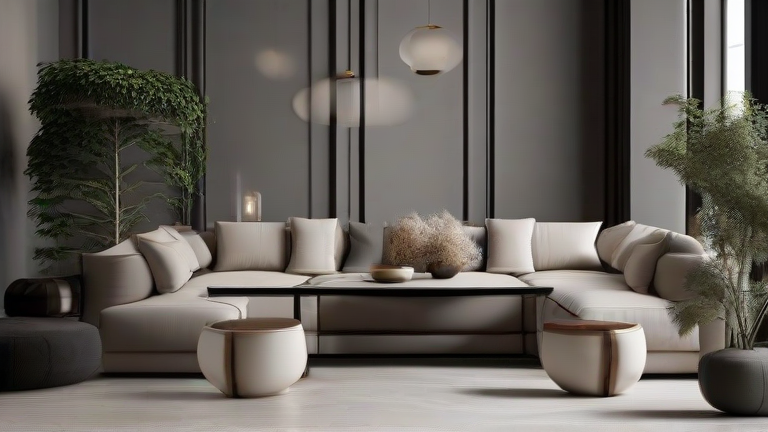
TL;DR: The porcelain decor market is surging, driven by demand for durable luxury and biophilic design. To elevate your home in 2025, focus on matte-textured, sculptural, and multi-functional porcelain pieces that blend artisan craftsmanship with smart-home integration—not on traditional glossy figurines.
Market Analysis: Why Porcelain Is the New Status Material
The global decorative porcelain market is projected to grow at a 6.2% CAGR through 2030, according to recent home-goods indices. Key drivers: post-pandemic nesting, a shift away from plastic decor, and the rise of “quiet luxury”—where understated, tactile materials signal wealth better than logos. Porcelain’s inherent durability (resistant to scratches, heat, and fading) makes it a favorite for high-traffic homes. Simultaneously, consumers are prioritizing “slow decor”—investing in fewer, better pieces—which favors porcelain’s heirloom quality over fast-furniture trends.
If you want to dig deeper, check out our guide on 10 Stunning Porcelain Home Decor Ideas to Elevate Your Space.
10 Best Porcelain Decor Trends (With Strategy & Case Studies)
1. Textured Matte Finishes — Glossy is out; matte, stone-like surfaces mimic natural rock and fit Japandi interiors. Strategy: Pair matte vases with raw wood shelves. Case study: Danish brand “Forma” saw a 40% sales lift after introducing matte basalt-toned tableware.
2. Biomorphic Sculptural Vases — Organic, blob-like shapes that double as art. Strategy: Use them as solo centerpieces, not filled with flowers. Case study: A NYC design studio reported 3x engagement on Instagram posts featuring ribbed, asymmetrical porcelain.
3. Reactive Glaze Dinnerware — Each piece has unique color pooling, creating “imperfect” appeal. Strategy: Market as “no two plates alike” for gifting. Case study: Etsy seller “Kiln & Clay” grew revenue 55% by highlighting glaze variations in video demos.
4. Porcelain Wall Tiles with 3D Relief — Not just floors; use as backsplashes or accent walls. Strategy: Offer sample kits with different lighting angles. Case study: Spanish tile manufacturer “Ceramica L” increased B2B orders 22% after launching a “touch-first” showroom.
5. Multi-Functional Storage (Jars, Canisters) — Porcelain that hides clutter but looks like sculpture. Strategy: Bundle with wooden lids for contrast. Case study: A luxury pantry brand sold out its “Cloud Jar” collection in 3 weeks by emphasizing airtight seals + aesthetic.
6. Blue & White Reimagined — Classic Delft patterns, but on chunky, modern silhouettes. Strategy: Target millennial renovators via Pinterest moodboards. Case study: UK retailer “Portobello Living” saw a 31% conversion lift when they paired blue-white porcelain with brass fixtures.
7. Porcelain Lamps & Light Bases — Thin-walled, translucent porcelain that glows when lit. Strategy: Use warm LED bulbs to highlight translucency. Case study: A boutique hotel chain replaced metal lamps with porcelain bases, cutting maintenance costs 18% (no corrosion) and boosting guest satisfaction scores.
8. Micro-Porcelain Tabletop Sculptures — Small, palm-sized animals or abstract forms for shelves. Strategy: Sell as “starter collectibles” with a storage box. Case study: Japanese brand “Kintsugi Modern” doubled repeat purchases by offering a monthly subscription for micro-sculptures.
9. Porcelain Bath Accessories (So
Leave a Reply